
EasoTrip
Preparing your journey...
Preparing your journey...
Preparing your journey...
Near Bhutia Market, Haren Mukherjee Road, Ward No. 12, Hakim Para, Siliguri – 734001
+91 70017 24300
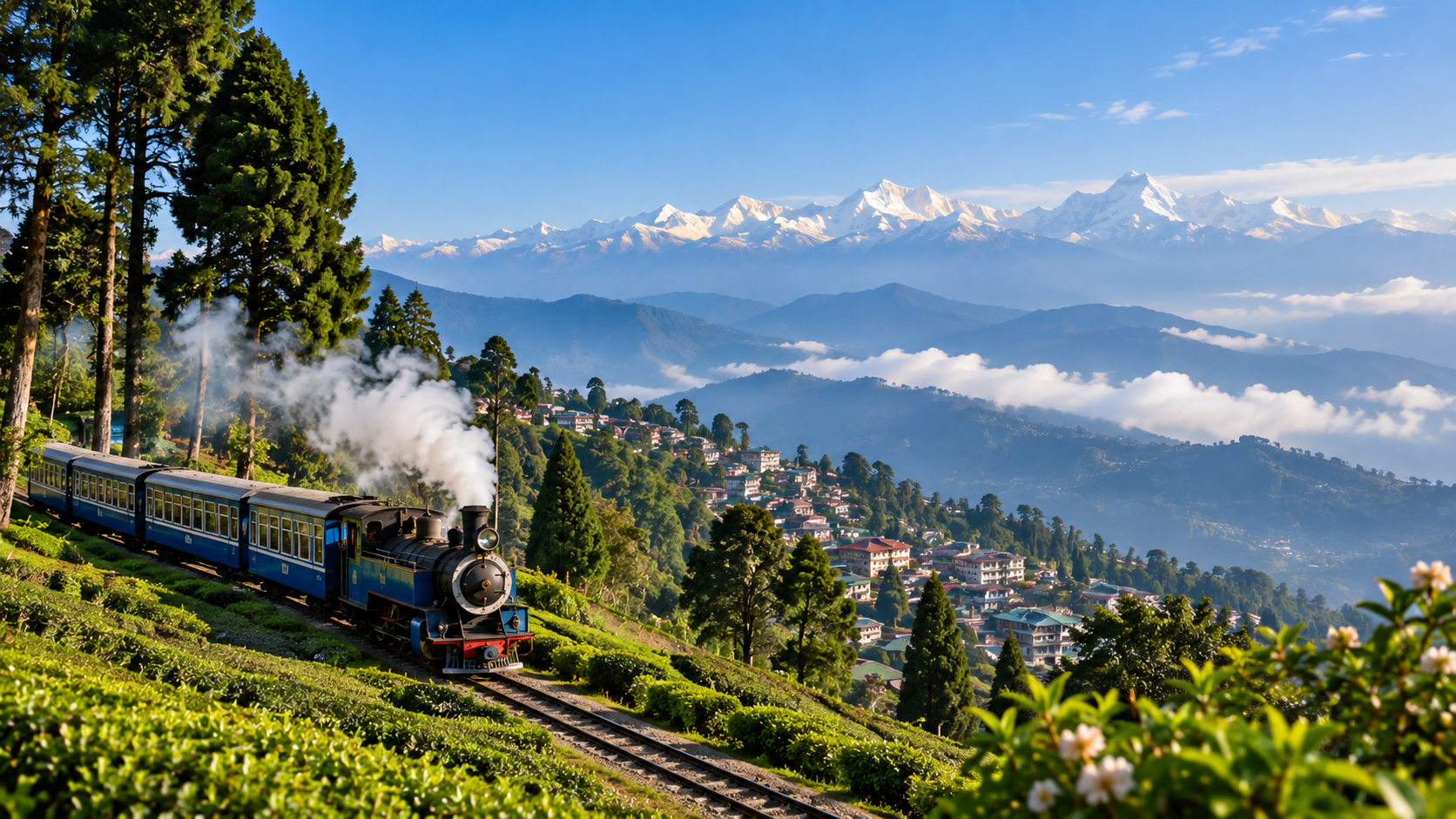
Nested in the Himalayan foothills of Darjeeling at a height of about 1925m is a picturesque traverse town named Manebhanjan or Mane Bhanjyang. Mane in Nepali means Buddhist Stupas, and Bhanjyang stands for junction; hence, Manebhanjan refers to a junction of Stupas. This serene town houses many different trekking routes for the adventurous Sandakphu trek.
Altitude
1,980 meters
Region
Darjeeling
Min temp
5°C
Max temp
25°C
Manebhanjan is an enchanting town nestled in the Darjeeling district of West Bengal. It is the gateway to some of the famous trekking routes, Sandakphu and Phalut. Manebhanjan has something to offer to everyone, be it a peace seeker, a nature enthusiast or an adventure lover. You can witness a panoramic view of the surrounding dense forest of Fir, Rhododendron and Pine. Its magical atmosphere is created by the misty landscape. This place houses some of the vintage Land Rovers from the 1950s, which are used mainly for a safari ride to Sandakphu.
Manebhanjan is the starting point for trekkers who are planning to trek up to Phalut or Sandakphu. The trek route is beautiful and passes through the stunning Rhododendron forests of the Singalila National Park, where you can also see some rare Red Pandas if lucky. This is the best spot for hiking and trying your hand at a Himalayan adventure.
You will get to witness the best view of Mt. Everest and Kanchenjunga if you visit during the Spring season, when rare bird species such as Himalayan Monals and Blood Pheasants can be spotted very easily. It is also a getaway to the biodiversity hotspot, Singalila National Park.
I was charmed by the serene tea stalls, classic Land Rovers and the warmth of the locals of Manebhanjan during my trip.
Manebhanjan is a charming town nestled in the Darjeeling district of West Bengal, India, which offers winding hills, dense forests and a picturesque landscape. Perched at an elevation of 1925m above the sea level, this serene town is the gateway to the thrilling trek of Sandakphu, Phalut and also to the biodiversity hotspot which is the Singalila National Park.
It is located at a distance of 28 km from Darjeeling near the India-Nepal border. Encompassed by piping hills and lush forests of Oak and Rhododendrons, the terrain is vibrant in a mix of shades of pink and red during the spring season. On sunny days, you get a clear view of the mountain Kanchenjung, and if you trek further above, you view the four highest peaks of the world- Makalu (8481 m), Kanchenjunga (8586 m), Lhotse(8516 m) and Everest(8848 m).
The hills surrounding Manebhanjan offer tranquil trekking trails, which are very convenient for both seasoned and beginner trekkers. It is situated near some of the scenic villages and tea gardens, adding to its charm, such as Meghma, Tumbling and Rimbik.
Manebhanjan mostly remains cold all year round, with chilly winters, misty monsoons and pleasant summers making it an ideal destination for trekkers and nature enthusiasts. Here is a season-wise breakdown of Manebhanjan based on weather and temperature-
| Season | Temperature | Weather | Best activity |
|---|---|---|---|
| Spring (March to May) | 10°C to 20°C | pleasant and mild | nature walks, trekking |
| Summer (Jun–Aug) | 15°C to 25°C | humid and warm | hiking, waterfall explorations |
| Autumn (Sep–Nov) | 8°C to 18°C, | cool and clear | sightseeing, photography |
| Winter (December to February) | 0°C to 10°C, | occasional rain and cold | cosy stays, snow viewing |
The best recommended time for a visit to Manebhanjan is between April and June or from September and November. These months are ideal to explore the surrounding areas and go trekking owing to the favourable weather. Spring brings along blooming flowers, while Autumn keeps the skies clear, offering some breathing views of the surroundings.
However, depending on your preferences and what you would ideally like to experience, you can choose your time of visit as well. During the Spring season, the hills get painted in the brightest shades of red and pink, resulting from blooming Rhododendrons and Magnolias everywhere. The Singalila National Park remains in its best scenic form with active wildlife and clear skies.
The summers here are ideal for a peaceful getaway with vibrant, lush greenery, occasional rainfalls and comparatively less crowds. Autumn is the best season here to try out trekking, as the sky remains clearest during this season. You will also get the opportunity for a cultural immersion during this time, as festivals such as Tihar and Dashain are celebrated, adding to the cultural charm.
The winter season brings along a solitude ideal for people who are seeking peace away from crowds. The occasional snowfall turns the entire place into a winter wonderland, thus an ideal time for photography.
I went to spend a thrilling time in Manebhanjan in November, where I was surrounded by sparkling views of the Singalila range, golden sunlight and crisp air, which made my trip unforgettable.
| Months | Weather | Footfall | Category | Best for |
|---|---|---|---|---|
| Spring (March to May) | mild, pleasant | Moderate | Peak Season | nature walks, trekking |
| Monsoon (June-August) | Rainy | Low | Off-Season | quiet retreats |
| Autumn (September-November) | cool air with clear skies | High | Peak-season | photography, sightseeing |
| Winter (December-February) | occasional snow, cold | Low to Moderate | Shoulder Season | cosy stays, snow views |
Aside from being the gateway to the famous trails of Sandakphu and Singalila, Manebhanjan itself is a peaceful destination, which offers nature, culture and adventure in a tranquil Himalayan setting. You can try out several things here, such as exploring the wildlife, experiencing the vibrant culture, a Land Rover safari, and trekking.
I soaked myself in the stunning beauty of nature while enjoying a thrilling Land Rover ride from Manebhanjan, which was a classic experience to remember.
Sandakphu-Phalut trek
Manebhanjan is the starting point of this most adventurous and highest elevation trek of West Bengal. Perched at a height of 3636 m, Sandakphu offers breathtaking views of the highest peaks of the world- Makalu, Kanchenjunga, Everest and Lhotse. You can spot some rare Himalayan birds and wildlife species while making your way through this adventurous trail passing through the Singalila National Park.
Singalila National Park
It is a high-altitude national park in India where you can spot some rare species of Barking Deer, Himalayan Black Bear and Red Pandas. You can also spot some breathtakingly beautiful Himalayan birds in this bird’s paradise, such as the Blood Pheasant and the Himalayan Monal.
Magnolia and Rhododendron forests
You can witness stunning Magnolia, Oak and Rhododendron trees in the forest of Manebhanjan. Especially during the Spring season, the hill trunks are purple, red and pink with blooming flowers everywhere. These forests are ideal places for nature enthusiasts and wildlife photographers.
Chitrey Monastery
This peaceful Monastery is perched on a hill just at a distance of 3 km from Manebhanjan. You can spend some serene time amidst the breathtaking views of the monastery. This is the best place to learn more about the culture of Buddhists.
Tumbling
It is a tiny hamlet nestled in the breathtaking landscape of the Eastern Himalayas. Perched at an altitude of about 9,600 feet from sea level, this peaceful hamlet sits on the way to Sandakphu, a trekker’s paradise. It is situated at a distance of 11 km from Manebhanjan and might take you about 45 minutes in a cab. About 12 to 15 Nepali families reside here in small, attractive huts or cottages. It is an ideal place for peace seekers, nature photographers and trekkers, which offers stunning sunrise and sunset views along with the stunning view of the Sleeping Buddha range and the Kanchenjunga.
Meghma
The term Meghma originated from the word “Meg,h”, which also means cloud. This mystical hamlet is situated at an altitude of about 9,514 feet near the Singalila ridge, covered by the cloudy sky. Being situated at a distance of 9 km from Manebhanjan, this village acts as a merging point between India and Nepal. Only a handful of Nepali families reside here in a handful of village huts. Meghma has a small Buddhist monastery named Sangchen Ugagyur Hoshal Dechen Choling Monastery just at its entrance, which was built way back in the 1950s, featuring the different 108 forms of Lord Buddha. It is an ideal place for cultural exploration and enjoying small treks.
Chitrey
It is the first place that you will have to cross if you are planning on trekking at Sandakphu. Amongst the entire Sandakphu trail, the road leading from Manebhanjan to Chitrey is the steepest. Perched at an altitude of about 8,340 feet, the distance between this scenic hamlet and Manebhanjan is just 3 km. It will take you almost 20 minutes to reach this place from Manebhanjan in a cab, or you can also trek for 1.5 hours and reach your destination. You can visit the serene Chitrey Monastery with the breathtaking Kanchenjunga in the background and spend some tranquil time taking a relaxing walk along the monastery premises. You will get the opportunity to enjoy the clear sunrise view from here as well.
Gurdum
This Himalayan beauty is situated at an altitude of about 8000 feet from sea level and will welcome you with open arms with its refreshing nutty smell coming from its beautiful Rhododendron and coniferous branches. A total of 25 houses, which are inhabited by almost 150 people, are scattered all along the valley near the theSingalila range. The people residing here have modified their houses into dormitories to make a place for weary travellers to rest on their trek from or to Sandakphu. The distance between Manwebhanjan and this hidden Himalayan gem is just 8 km via trek. It is an ideal place for travellers who are looking for some tranquil time and enjoy a relaxing bonfire night by camping under the blanket of stars.
Rimbik
The distance between Manebhanjan and this offbeat settlement is about 20 km. This village is the connecting point between many trekking routes, making it a trekker’s hub, especially for those who are trekking to Sandakphu or the Singalila range. You will be captivated by the pictographic landscape and serene ambience of this natural beauty. You can visit the Rimbik Bazar to see the locals buying their day-to-day necessities, and also visit different religious Buddhist sites along with the Rimbik monastery. Two different trek routes connect this place with Sandakphu, one is from Bibek Bhanjan and the other is from Gurdung and Srikhola. This is an ideal place to take some peaceful nature walks and immerse oneself in cultural experiences.
Dhotrey
This scenic settlement is situated at an altitude of about 8,340 feet near the Singalila National Park. Located at a distance of just 6 km from Manebhanjan, this serene village offers breathtaking views of the Kanchenjunga. You can spend some relaxing time here amidst the soothing ambience and chirping birds of the Singalila range. It is an ideal place to try out nature photography and enjoy small treks. You can visit the small monasteries of Tibetan Buddhism belonging to the Kagyu sect. It is especially recommended to visit this place from March to May to witness the magnificent Rhododendrons and Magnolias blooming everywhere.
Sukhiapokhri
This serene hamlet is situated at a distance of 11 km from Manebhanjan in the Darjeeling district of West Bengal, adjacent to the Indo-Nepal border. Located at an altitude of about 7,198 feet amidst the misty fog, Sukhiapokhri mostly remains cloudy due to its proximity to the Rangeet River and Balasan River Valley in the north and south. This favoured summer retreat is loved by many owing to its blissful weather.
Mirik
This picturesque tourist hotspot lies peacefully at a distance of about 25 km from Manebhanjan. Nestled at an altitude of about 1767 from sea level, Mirik offers pleasant weather all year round. Its easy accessibility, blissful weather and breathtaking landscape make this place a tourist favourite. The Sumendu Lake is the main attraction of this place, with the Indreni Pull footbridge connecting pine forests and a massive green stretch from both sides. You can take a walk around the 3.5 km road surrounding the lake while enjoying the stunning view of the Kanchenjunga in the backdrop.
Manebhanjan is easily accessible by road, with the nearest transit point being the NJP railway station and the Bagdogra airport.
I reached Manebhanjan from Darjeeling, where the roads were scenic but bumpy, and each turn unfolded scenic mountain vistas and thick pine forests.
By Air
The nearest airport to Manebhanjan is the Bagdogra airport situated at a distance of 92 km, with flights available from most of the major cities such as Guwahati, Delhi, Mumbai, Bangalore, Kolkata, etc. You can book a cab or take a shared taxi from Bagdogra to reach Manebhanjan.
By Train
The nearest railway station to Manebhanjan is the NJP station, which is situated at a distance of 90 km. You can take a cab or jeep from the NJP station and then reach Manebhanjan.
From Siliguri
Private cabs or shared jeeps from Siliguri are available from the Tenzing Norgay bus terminal. Buses go up to Sukhiapokhri or Mirik, and from this point, you will have to hop on a private cab or a shared jeep. The route includes Siliguri-Mirik-Sukhiapokhri-Manbhanjan.
From Darjeeling
You will easily get direct taxis or jeeps from Darjeeling up to Manebhanjan. The route includes- Darjeeling - Ghoom - Sukhiapokhri - Manebhanjan.
You will get to experience a delectable fusion of Tibetan, Himalayan and Nepali flavours in Manebhanjan. The meals prepared here are perfect to be enjoyed during cold weather. The homestays, tea stalls and small eateries here serve lip-smacking, flavorful yet simple dishes. Here is a list of dishes that you can try out in Manebhanjan- Momo- These are dumpling balls made with the fillings of vegetables and meat and served either steamed or fried along with spicy chutney and hot soup. The cheese momos, which are served at the local tea shops, are a must-try here. Thukpa- It is a type of Tibetan soup made with homemade noodles, minced meat and fresh vegetables. The flavourful broth is served with local chilli paste to make it extra spicy. Dal Bhat- This traditional Nepali meal is very nutritious and consists of steamed rice, vegetable curry, lentil soup and spicy, flavourful pickles. Sel Roti- It is a type of ring-shaped, crispy Nepali rice doughnut which is deep fried and is generally enjoyed as a snack along with tea. This local favourite has a slightly crunchy and sweet texture. Gundruk- This Himalayan delicacy is a type of fermented leafy green made of cauliflower, radish or mustard leaves into stir-fried or tangy soup. It is a staple in the local Himalayan, Tibetan and Nepali cuisine. Senki- It is a type of preserved or fermented dish prepared using radish taproot. It is similar to Gundruk, with the only difference being the use of roots rather than the leaves. This Himalayan and Nepalese traditional dish has an earthy and tangy flavour. It is generally consumed as a curry, pickle or soup and is a local’s favourite as it is rich in probiotics. Butter tea- This buttery, salty Tibetan tea is prepared using tea leaves, salt and yak butter. It is mainly enjoyed by the Sherpa and Tibetan communities to keep them warm during the harsh cold weather. Churpi- This chewy, hard Himalayan cheese is made using Yak milk. It can be chewed for hours as a snack and is also melted in soups or other dishes. Manebhanjan houses a perfect blend of several cultures together, such as the Nepali, Sherpa and Tibetan. You can experience a vibrant mixed culture here while enjoying warm hospitality, witnessing beautiful monasteries and taking part in different cultural festivals.
Visit the tranquil Buddhist Monasteries.
Manebhanjan is deeply rooted in its Buddhist influence, where you can spot several stupas and monasteries scattered all around. You can visit a peaceful retreat known as Chitrey Monastery, located just at a distance of 3 km with fluttering colourful praying flags along the gusting winds. You will get to witness a serene atmosphere by sitting through the prayer-chanting ceremonies and learn more about the Buddhist rituals by interacting with the monks.
Take part in the local celebrations and festivals.
Manebhanjan celebrates the Tihar and Dashain festivals with great vigour. You can visit this place to get a true cultural experience at the time of Losar, which is the Tibetan New Year. Locals visit the monasteries and partake in prayers, perform traditional dance and song to celebrate Losar. At the time of Buddha Jayanti, the locals generally offer prayers in the monasteries and go out to see processions.
Taste the authentic local food.
To experience the true culture of Manebhanjan, you will have to try out this authentic Himalayan cuisine first. The homestay owners offer delectable homemade food, which they prepare using locally sourced organic food ingredients, which they generally grow in the backyard of their garden. It is recommended to try out Sel Roti, Momo and Thukpa on your visit to Manebhanjan to make your trip memorable.
Traditional homestay experience
You will get the opportunity to enjoy the warm hospitality of the Sherpa and Nepali families by staying at a homestay in Manebhanjan. The people here are very kind and friendly, and are eager to share their stories of the hills. You will be served war, delectable food made with fresh ingredients straight out of their garden, just to give you a homely feeling away from home. Staying in the homestays will also allow you to learn about their farming techniques, traditional customs and their day-to-day activities.
Local weaving and Handicraft experience
Manebhanjan is popularly known for its locally produced handmade items such as shawls, traditional blankets as well and scarves. Women residing in this village engross themselves in the traditional weaving process. You can buy these products or even learn more about this craft by interacting with them. You can visit the small Tibetan markets and get your hands on some beautiful prayer flags, Buddhist artefacts and singing bowls.
Folk Dance and Music
The local people residing in Manebhanjan partake in their traditional Tibetan and Nepali folk dances during their special occasions or festivals. The most popular dance in the Nepali culture is the Dhaan Nach, which is also known as the Harvest Dance. You can ask your homestay owner to perform their traditional folk song along with the madal at the time of bonfire night to elevate your experience. Thus, staying at a homestay will give you a much more culturally immersive experience.
You will get a range of accommodation options for your stay in Manebhanjan, starting from cosy homestays, a few budget hotels and budget lodges. All the accommodation options available here are very basic yet comfortable and budget-friendly because it is the gateway to the famous Sandakphu-Phalut trek. Thus, the amenities here cater to the needs of nature lovers and trekkers.
You will get to experience warm hospitality while enjoying home-cooked meals by staying at the homestay. Some recommended homestays for you include- Hotel Pradhan Homestay, Naina Homestay, Amitesh Homestay and Trekker’s Hut Homestay.
You will also get the options of budget lodges and hotels here if you are searching for some slightly better facilities and privacy. Here are some recommended lodges and hotels for you: Shikhar Lodge, Hotel Chimal and Mountain View Lodge.
You can also get a more rustic, offbeat experience by staying at a trekker’s hut or at a Forest Bungalow, which are maintained entirely by the local authorities.
I stayed at a cosy homestay in Manebhanjan, where I was served hot and hearty local meals regularly and woke up to the enthusiastic early morning buzz of trekkers heading upwards to Sandakphu.
| Category | Best stay | Price range | Features | Best for |
|---|---|---|---|---|
| Budget | Hotel Sunrise, Manebhanjan | ₹800 - ₹1500 | cental location, clean, basic amenities | budget travels, backpackers |
| Mid-Range | Pinewood Hotel, Manebhanjan | ₹2000 - ₹3500 | good food, comfortable rooms | families |
| Luxury | Summit Rainforest Resort | ₹5000+ | modern facilities, scenic views | luxury seekers |
| Homestay | Local Homestays | ₹1000 - ₹2500 | warm hospitality, authentic experience | cultural explorers |
| Eco-Stays | Eco Camp Manebhanjan | ₹1500 - ₹3000 | adventure base, nature friendly | adventure travellers |
Homestays
The homestays of Manebhanjan cater to the needs of trekkers who are ascending or descending from the Himalayas
If you are looking forward to a serene getaway amidst lush greenery, breathtaking views and a touch of warm hospitality, then Manebhanjan is the right answer for you. You will get to collect unforgettable memories that you can cherish for a lifetime, away from city hassle.
Where is Manebhanjan located?
Manebhanjan is situated on the eastern edge of Singalila National Park on the border of India-Nepal in the Darjeeling Himalayn foothills, about 26 km away from Darjeeling.
What is the altitude of Manebhanjan?
Manebhanjan is situated at an elevation of around 7,054 feet.
What is the meaning of the word "Manebhanjan?"
The word "Manebhanjan" means "Junction of Stupas", which has been derived from two words: "Mane" meaning prayer wheels or Buddhist stupas and "Bhanjan" meaning junction or mountain pass.
What is Manebhanjan known for?
Manebhanjan is famously known as the gateway to the iconic Sandakphu trek and the hub for Land Rovers. It is also known for its diverse wildlife and natural beauty.
What are the things to do in Manebhanjan?
You can enjoy several activities here, such as trekking, camping, Land Rover safaris and exploring local monasteries and surrounding villages and experiencing the local Sherpa and Lepcha culture.
When is the best time for a trip to Manebhanjan?
You can enjoy trekking, pleasant weather, and clear mountain views during the autumn and spring seasons, which are considered to be the best times for a trip to Manebhanjan.
How can I reach Manebhanjan?
You can reach Manebhanjan from Darjeeling via Sandakphu in a share jeep, which will take you around 45-60minutes and cost you around ₹50. You can also take a shared vehicle from NJP/Siliguri or Bagdogra to reach Manebhanjan as well.
What kind of accomodation options are available in Manebhanjan?
Accommodation options are very basic in Manebhanjan, which mostly caters to the needs of the trekkers and are mostly in the form of homestays, lodges and trekkers' huts.
Do I need permits to trek beyond Manebhanjan?
Yes, you will need a permit from the Forest Check Post and need to hire a registered guide to trek beyond Manebhanjan in the Singalila range.
How is the road to sandakphu from Manebhanjan?
The road from Manebhanjan to Gairibas is concretised, but it is very rough, especially the last stretch up to Sandakphu, which might require a Land Rover to complete.
Is Manebhanjan safe for solo travellers?
Yes, Manebhanjan is a safe trek base with friendly locals.
Can I find mobile network in Manebhanjan?
Due to the high altitude and remote location of Manebhanjan, the mobile network is inconsistent or very limited.