
EasoTrip
Preparing your journey...
Preparing your journey...
Preparing your journey...
Near Bhutia Market, Haren Mukherjee Road, Ward No. 12, Hakim Para, Siliguri – 734001
+91 70017 24300
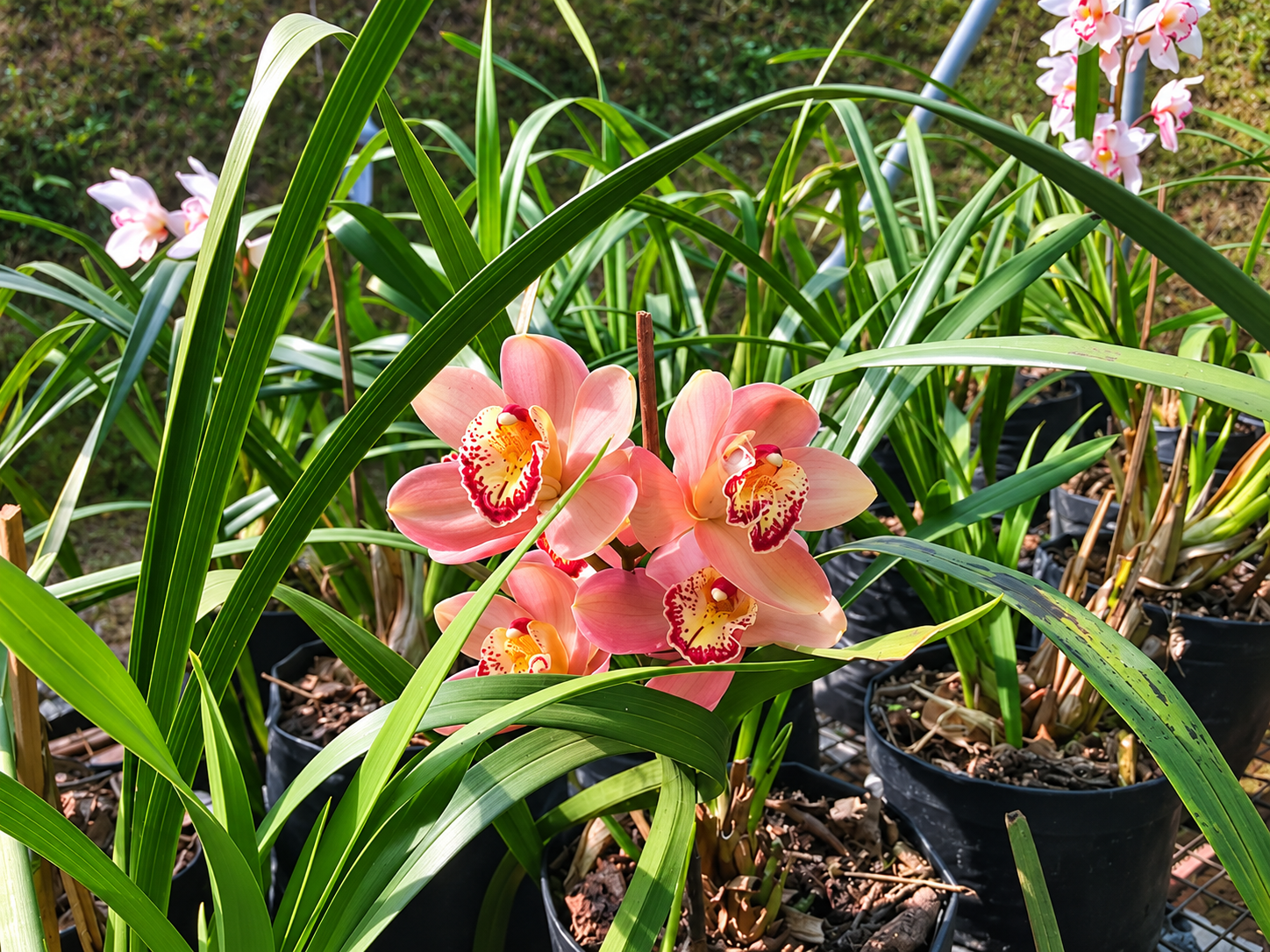
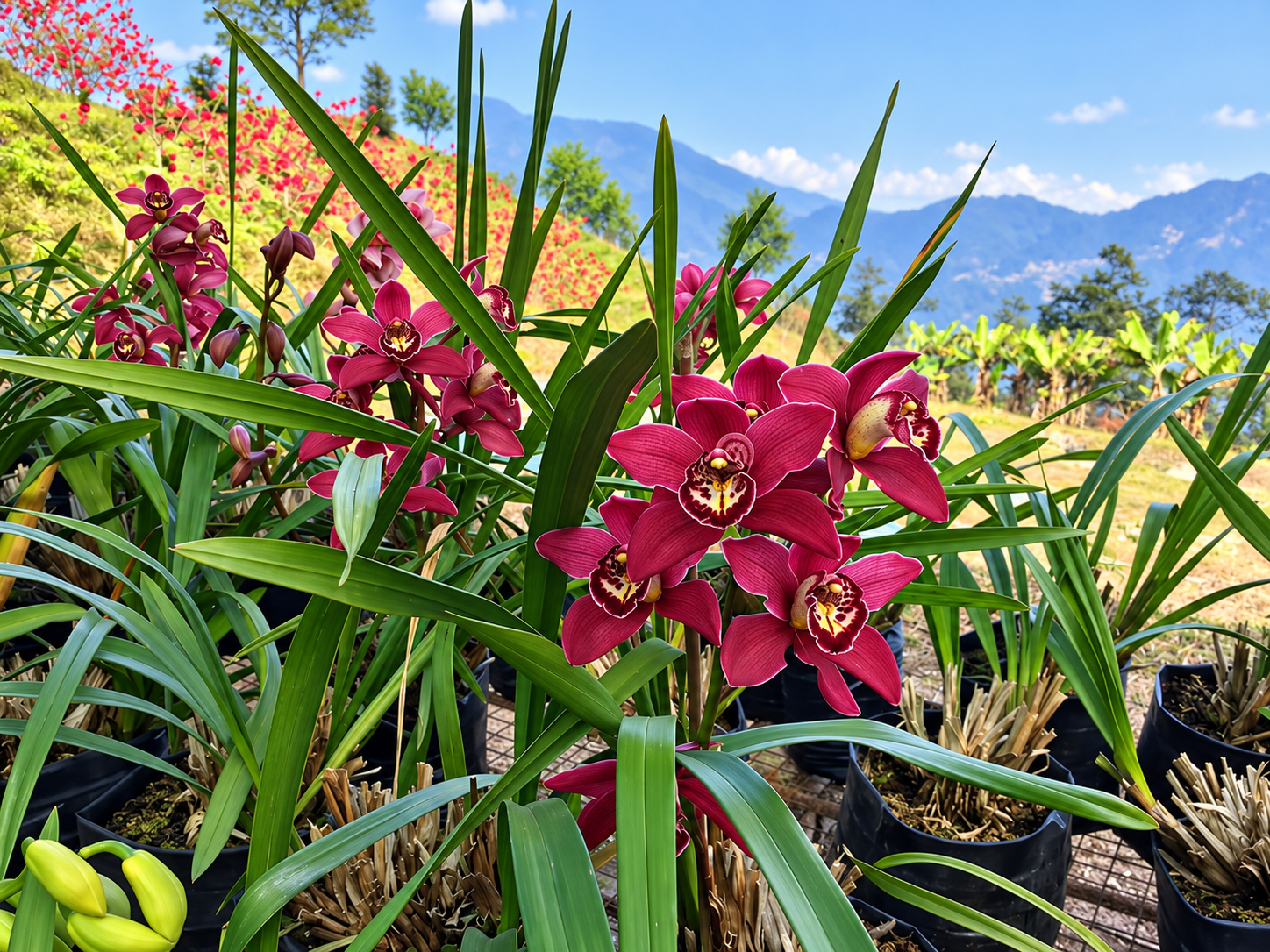
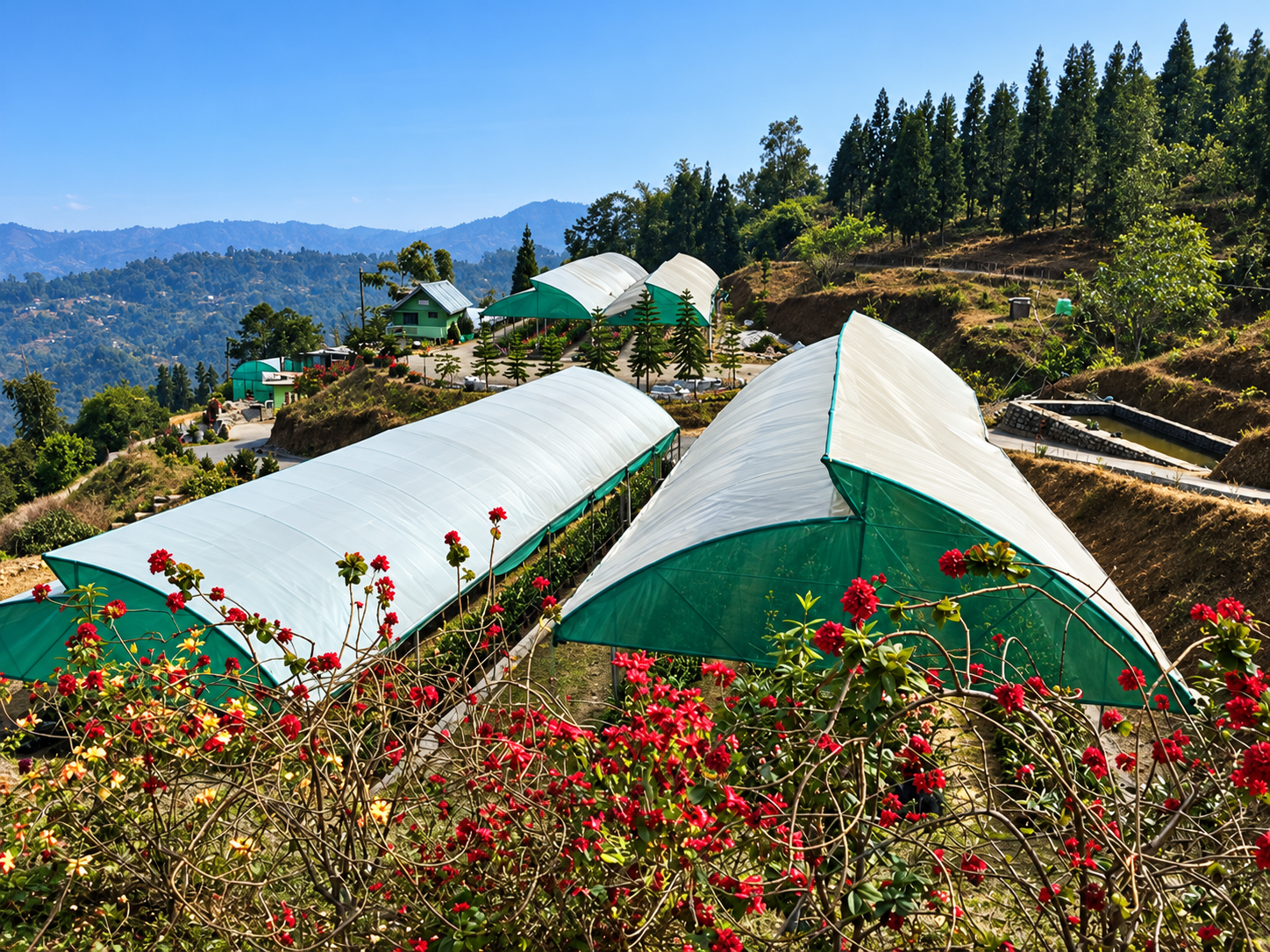
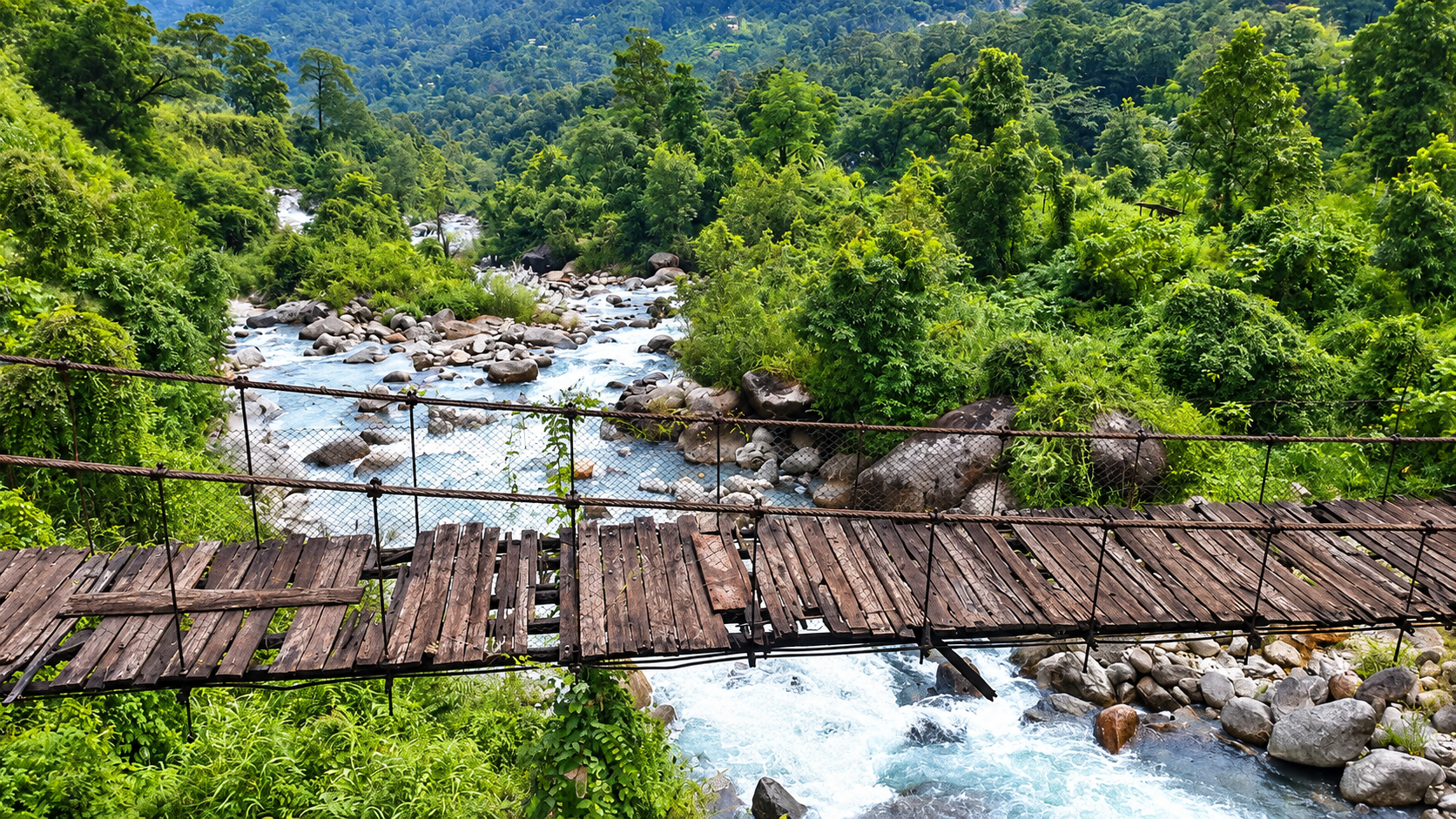
One of the tranquil villages located in the heart of West Bengal, with the serenity of the hills and excellent wilderness and natural beauty, Mungpoo (which is also spelt as Mongpu or Mungpo) is an enthralling escape especially for nature lovers, away from the bustling of city life and the crowded tourist locations across West Bengal.
Altitude
3,500 feet
Region
Darjeeling
Min temp
5°C
Max temp
25°C to 27°C
This small and old settlement under the Darjeeling district, Mungpoo, evolved gradually as one of the favourite tourist places, much different from the popular places with a maddening crowd. The lush cinchona plantations at an impressive height/altitude of 3700 ft, the vibrancy of the orchid nurseries and the interesting historical association with Tagore for his frequent visit to this charming hill village.
This village has some great options to explore nature in its truest, beauteous form, like the cascading waterfalls in Kalijhora, a tranquil retreat like the Rabindra Bhavan Museum, or the serenity and cultural enigma boasted by the popular Dinchen Sherap Choeling Monastery.
Mungpoo is easily accessible by tourists either via the Sikkim Bengal National Highway 31A or through Peshok Road. The closest airport is the Bagdogra Airport, and the closest Railway station is the NJP station.
All throughout the year, this excellent village experiences pleasant weather, which is why Mungpoo has increasingly become one of the most ideal destinations for tourists, who seek to experience natural beauty and tranquillity.
You can expect a peaceful escape into the poetic history, surrounded by chirping birds, in Mungpoo. It felt like I stepped into a Himalayan dreamland at my visit to this quiet hamlet.
Mungpoo, which is also popular by the name Mangpu is a tranquil, quaint village situated in the heart of Darjeeling district of West Bengal and is situated approximately 32 km east of Darjeeling and is at an elevation of nearly 3700 ft. Mungpoo gained increased popularity for its excellent cinchona plantations which has a pivotal role in the pages of history for its contribution to quinine production. This place also has immense cultural significance for its tacit association with the Nobel Laureate, Rabindranath Tagore who is known to pay frequent visits here, for composing several works. Also, the smearing of serenity in the environment and the region’s enigmatic history of Mungpoo, besides its proximity to Darjeeling has popularised this place as one of the outstanding tourist destinations for visitors, wanting to escape into a peaceful retreat.
This quaint village is perched at an approximate altitude of 3700 ft and is popular amongst tourists for its lush cinchona plantations, its historical linkage with the world-renowned Nobel Laureate Rabindranath Tagore and its enviously vibrant orchid nurseries.
Here is a season-wise distribution of weather and temperature of Mungpoo
| Season | Temperature | Weather | Best activity |
|---|---|---|---|
| Spring (March to May) | 12°C – 22°C | blooming and pleasant | Sightseeing, village walks and picnics |
| Summer (Jun–Aug) | 15°C – 25°C | clear skies and warm | hiking and tea garden walks |
| Autumn (Sep–Nov) | 13°C – 23°C | clear skies and crisp air | nature photography and birdwatching |
| Winter (December to February) | 5°C – 15°C | foggy and cold | cultural immersions |
Throughout the year, this picturesque village in the Darjeeling district experiences and enjoys a pleasant climate, with the summer season throughout June being mild. This makes Mungpoo an ideal escape for tourists from the massive heat storms, especially in the northern and western parts of the country. The region enjoys moderate rainfall during the monsoon season, which enhances the overall natural wilderness and beauty of this gorgeous place. The Autumn season, alongside the early winter phase, in the month of October to December, is considered especially delightful by visitors who are greeted with clear azure blue skies and the gorgeous cinchona plantation blossoms. During this time, the temperature feels great with rare significant drops in the mercury and the average winter weather hovers around 4°C. Thus, the best time to plan a trip to this wonderful destination with friends and family or for a solo trip is between October and December or during the month of June.
I visited Mungpoo in spring, which was magical with crisp air and blooming flowers. I was mesmerised by the soothing, calm ambience, which was balanced perfectly by clear skies.
| Months | Weather | Footfall | Category | Best for |
|---|---|---|---|---|
| Spring (March to May) | warm and pleasant | Moderate | Peak Season | nature walks and tea garden visits. |
| Monsoon (June-August) | misty and rainy | Low | Off-Season | romantic monsoon getaways |
| Autumn (September-November) | clear and crisp | High | Peak-season | hiking and birdwatching |
| Winter (December-February) | fresh and cold | Low to Moderate | Shoulder Season | campfire nights and cosy stays |
I enjoyed peaceful nature walks amid the Chinchona plantations in Mungpoo, and my visit to Rabindranath Tagore Museum gave me deep cultural insights about the place.
Here is a list of some of the most popular Places to visit in and around Mungpoo which offer tourists a tranquil escape, away from the bustles of the city life, straight into the lush greeneries of the tea gardens, historic bungalows and the magnificent scenery of the expansive Himalayan range, a perfect blend for nature lovers.
Rabindra Bhavan (Rabindranath Tagore Memorial Museum)
This is a historic bungalow which is popular for being Rabindranath Tagore’s summer retreat, between the years 1938 and 1940. This summer retreat has now been transformed into a museum which houses the poet’s range of personal belongings, like his bed, mahogany desk, manuscripts and original paintings. This museum is open for visitors to explore, except on Sundays.
Government Cinchona Factory
This Cinchona factory was established way back in the year 1864, and was then considered to have a pivotal role in producing quinine from the bark of the Cinchona tree. This is a vital anti-malarial drug to treat patients back then. You can opt to explore this place and learn about the process of extracting quinine, alongside the history of the cultivation of this medicinal plant across the region.
Mungpoo Cymbidium Orchid Park
This orchid park in Mungpoo is situated nearly 7 km away from the main market in the region and boasts a collection of over 150 varieties of orchids. If you are someone who appreciates floral beauty and brilliance, this place is a must-visit for you.
Dinchhen Sherap Choeling Monastery
This Dinchen Sherpa Choeling Monastery is popular among tourists for its tranquil environment and is a reflection of the Buddhist culture from which locals and visitors draw insights about the Buddhist religion and their cultural tapestry. This monastery is located above the local market in Mungpoo.
You can reach Mungpoo by taking a shared cab from Kalimpong or Darjeeling. I reached Mungpoo from Siliguri in a scenic 2.5-hour ride through winding roads. There are several transportation options available for tourists to travel to Mungpoo
By Air
Bagdogra Airport is the nearest airport, which is about 60 km away from Mungpoo. Tourists availing flights to Bagdogra are greeted with convenience as regular flights are connected to this airport from major Indian cities. Upon arrival at the airport, you can hire a taxi to travel to Mungpoo or get on a shared jeep, which will take you approximately. 21/2 hours on the road, via NH 10.
By Train
The closest railway station to Mungpoo is the New Jalpaiguri Junction (NJP), which is located approximately 52 km away from this place. This is a major railhead in the North Bengal region, which is connected via rail with numerous important Indian cities. Upon arrival, you can either book a cab or get on a shared taxi, which is readily available outside the station, for your journey to this quaint hill station.
By Road
All the nearby cities and towns are well-connected to Mungpoo. The distance from Darjeeling to Mungpoo is approximately 32 km, and it is 52 km from Siliguri. The most convenient option to travel to Mungpoo is to hire a private taxi for a comfortable ride; otherwise, shared vehicles are also available from a few of the locations.
The local fare of Mungpoo is pretty much a reflection of the diversity of the Bengali, Catholic, Tibetan and Nepali communities, which has had an influence on the local dishes as well. So, the local flavours and delicacies range from hot and finger-licking steamed dumplings popularly called Momo, to the fresh aromatic Tibetan noodles (Thukpa) and Nepali-style Chowmein, all of which are easily available at the local eateries across Mungpoo.
Exploring Cinchona Plantations
You can visit and explore this place to learn all the interesting facts about cinchona plantations, and the history behind its production, which was then considered one of the vital anti-malarial drugs, extracted from this plant.
Visisting the Rabindra Bhavan
This place has now been transformed into a museum, which was once a summer retreat of Tagore, where all his personal belongings are now displayed for visitors to this museum.
There are a few accommodation options in Mungpoo, which are mostly peaceful homestays ideal for unwinding amidst heritage, history and nature. You will be offered local hospitality and cosy comfort in these accommodations. Although the amenities are modest, you will get an enriching experience here. It is recommended to book in advance, especially in the peak season from October to April. Some of the popular homestays of Mungpoo include- Pine Hill Retreat Homestay, Mungpoo Orange Valley Homestay, Cinchona Retreat Homestay and Rabindra Bhawan Homestay.
I was offered warm hospitality and an authentic local experience in a cosy homestay in Mungpoo, where I enjoyed misty morning views from the window of my homestay and delicious home-cooked meals.
| Category | Best stay | Price range | Features | Best for |
|---|---|---|---|---|
| Budget | Cinchona Homestay | ₹1,200 – ₹1,800 | hillside views, local food | Budget travellers and backpackers. |
| Standard | Rabgay Homestay | ₹1,500 – ₹2,000 | peaceful ambience, organic meals | families and nature lovers |
| Heritage | The Heritage Homestay | ₹2,000 – ₹3,000 | private garden, old-world charm and cosy ambience | couples, photographers |
| Scenic View | Mungpoo Retreat | ₹1,800 – ₹2,500 | local cuisine, valley views and bonfire | Honeymooners |
| Cultural Stay | Gorkha Nest Homestay | ₹1,200 – ₹1,800 | simple setup, gorkha hospitality and village vibes | students and backpackers |
Homestays
The homestays of Mungpoo offer local cuisine, local hospitality and cosy rooms.
Mungpoo offers a blended experience of nature, poetry and history effortlessly. It has its history bound with Tagore’s legacy and colonial charm, along with its misty path, making it an ideal getaway for peace seekers and history enthusiasts. The memories of Mungpoo will linger with you for ages after your trip.
Where is Mungpoo located?
Mungpoo is located near Darjeeling in the state of West Bengal, India.
What is Mungpoo known for?
Mungpoo is known for its Chinchona plantations and summer visits of iconic Rabindranath Tagore.
What is the distance of Mungpoo from Darjeeling?
The distance between Mungpoo and Darjeeling is approximately 35 km.
What are the things to do in Mungpoo?
You can enjoy birdwatching, walk through the Chinchona plantations and also visit Tagore's summer house in Mungpoo.
Can I enjoy family trip in Mungpoo?
Yes, Mungpoo is ideal for peaceful family trips and solo travels as well.
When is the best time for a trip to Mungpoo?
Spring and autumn are the best seasons for clear views and the best weather.
Can I find good accomodation options in Mungpoo?
Yes, you can find some warm homestays here which offer heartfelt hospitality.
How to reach Mungpoo?
You can reach Mungpoo from Darjeeling or Siliguri.
Can I enjoy an offbeat trip in Mungpoo?
Yes, Mungpoo offers untouched nature and solitude, ideal for an offbeat trip.