
EasoTrip
Preparing your journey...
Preparing your journey...
Preparing your journey...
Near Bhutia Market, Haren Mukherjee Road, Ward No. 12, Hakim Para, Siliguri – 734001
+91 70017 24300
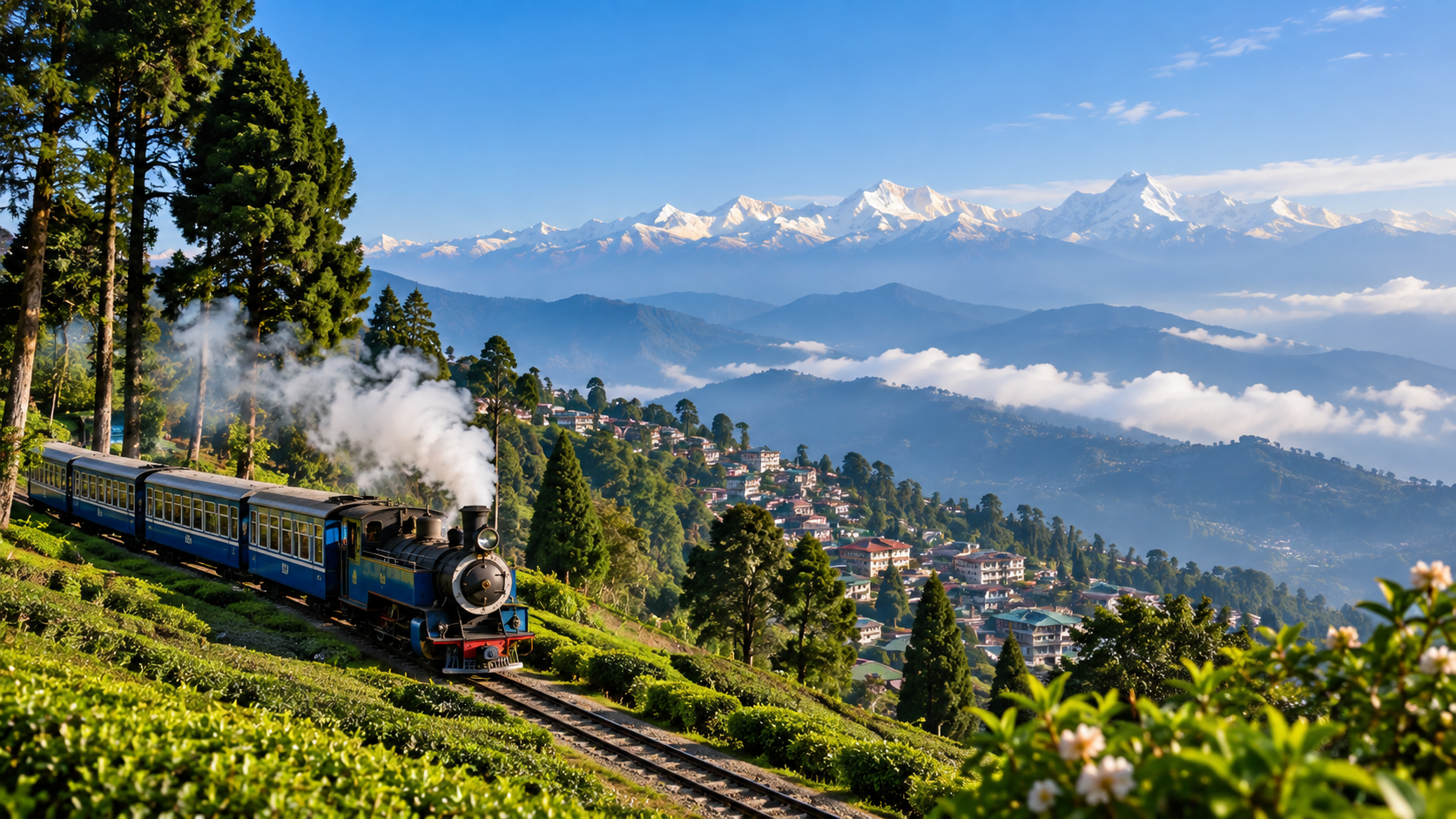
Srikhola is a picturesque, hidden hamlet in the Darjeeling district, serving as a gateway to the Singalila National Park. This quaint hamlet is a serene escape for nature lovers and trekkers, offering mesmerising views of the mountains.
Altitude
6,900 feet
Region
Darjeeling
Min temp
2°C
Max temp
11-19 °C
Srikhola is a scenic village with a breathtaking landscape, attracting visitors with its stunning natural beauty. This paradise for nature lovers and trekkers is situated at an altitude of 6,900 feet. This quaint hamlet is especially popular among the trekkers who are going to or returning from Sandakphu and Phalut.
The stunning Srikhola River, lush green forests of Pine, Rhododendron and magnolia, along with the sounds of chirping birds, flowing river and misty landscape, create a serene and calming atmosphere for its spectators. The wooden hanging bridge over the Srikhola River enhances its touch of adventure.
This peaceful village is the abode of many exotic Himalayan birds as well such as Laughing Thrush, Blue Magpie and Scarlet Minivet. Resided by some friendly groups of people belonging to the Rai, Tamang and Sherpa communities, you can stay here at some cosy homestays or some small lodges where you will be welcomed warmly.
The best time to visit Srikhola is during March-May, September-November, or December-February. You can reach Srikhola by hiring a cab from NJP via Rimbik or Manebhanjan.
You can expect raw Himalayan charm, forest trails, and wooden bridges in Srikhola. I went on a trip to Srikhola, where I slept earlier while listening to the calm and serene sounds of the Srikhola River. I enjoy a break from the chaos of city life in the best way possible.
Snuggling around the region of Singalila National Park in the Darjeeling district of West Bengal, Srikhola is a hidden offbeat gem offering picturesque views to its spectators.
It is situated at a distance of 80 km from Darjeeling and d an altitude of nearly 2100 meters or 6900 feet near the Indo-Nepal border in the Singalila National Park region. It acts as a popular stopover among the trekkers who are going to or returning from Sandakphu and Phalut.
This offbeat gem has some lush forests of Pine, Oak and Rhododendrons, hypnotising its spectators with its stunning beauty. This village is named after the Srikhola River, which flows through the valley, enhancing its serenity.
The small waterfalls, terraced fields and wooden bridges dotting the area act as a paradise for nature lovers and photographers. Srikhola is home to some unique wildlife such as the Himalayan Black Bears, Langurs, Barking Deer and Red Pandas.
It is a paradise for lovers as some exotic Himalayan bird species such as the Himalayan Monal, Blue Magpie, Red-billed Leiothrix, Laughing Thrush and Scarlet Minivet are located here.
Nestled in the district of Darjeeling, Srikhola has very distinct seasons, experiencing a temperate climate. The season-wise breakdown of Srikhola based on temperature and weather is mentioned below-
| Season | Temperature | Weather | Best activity |
|---|---|---|---|
| Spring (March to May) | 10°C – 20°C | rhododendron blooms, pleasant | birdwatching, trekking, photography |
| Summer (Jun–Aug) | 12°C – 18°C | heavy rainfall, cool | village walks, lush greenery |
| Autumn (Sep–Nov) | 8°C – 18°C | crisp air and clear skies | camping, trekking, nature walks |
| Winter (December to February) | 2°C – 10°C | occasional frost, misty, cold | riverside walks, bonfire and cosy stays |
Srikhola is a quaint Himalayan hamlet offering a serene getaway to nature with biodiversity and breathtaking landscapes. Although you can visit Srikhola all year round, your best time to visit will depend mainly on what you want to experience, whether it's crisp mountain views, blooming flowers or lush greenery. If you are a nature photographer, trekker or birdwatcher, the best time for your visit will be from March to May when the Magnolias and the Rhododendrons are in full bloom. The weather remains comfortable during this period with pleasant weather and clear skies. This period is also best for trekkers who are opting for the Sandakphu-Phalut trek, as the trails remain filled with blooming flowers.
If you want to experience the monsoon magic of this offbeat then the best time of your visit will be from June to August. As few tourists visit this place during this season, you can experience some peaceful time away from the crowd. If you are looking forward to a clear mountain view, try to plan your visit from September to November. The pleasant weather of this season makes it ideal for village exploration and long hikes. A winter visit from December to February will offer you occasional snowfall and a cosy vibe when you can spend some peaceful time stargazing with campfires.
I went on a trip to Srikhola in spring, where the valleys appeared like a watercolour painting, blooming with vibrant rhododendrons. The scene was simply magical.
| Months | Weather | Footfall | Category | Best for |
|---|---|---|---|---|
| Spring (March to May) | Pleasant | Moderate | Peak Season | riverside walks, birdwatching, trekking |
| Monsoon (June-August) | misty, heavy rainfall | Low | Off-Season | solitude, nature lovers |
| Autumn (September-November) | clear and crisp | High | Peak-season | photography, trekking, sightseeing |
| Winter (December-February) | occasional frost, cold | Low to Moderate | Shoulder Season | peaceful retreats, campfires |
You can enjoy trout fishing, birdwatching or riverside walks in Srikhola. I enjoyed spending time by the Srikhola river with a hot cup of tea. I enjoyed the calmness of the river before preparing myself for the adventurous trek.
Some popular attraction spots that are situated near Srikhola are mentioned below-
Srikhola River and Hanging Bridge
The peaceful atmosphere of Srkhola is enhanced by the serene Srikhola River flowing through the valley. The wooden hanging bridge located over the River is quite popular amongst nature photographers, where you can enjoy some stunning views. You can spend some relaxing time near the river, dipping your feet in the calm and cool water.
Rhododendron and Magnolia forests
Being surrounded by lush Magnolia and Rhododendron forests makes Srikhola a paradise for trekkers, photographers and nature lovers. The flowers are in full glory during the spring season, adding vibrant colour to the landscape. You can witness the hills of Srikhola filled with blooming Magnolias and Rhododendrons if you visit the place during March and April. The air of this quaint hamlet is filled with pleasant aromas during this season. Some of the best spots to witness these forests in Srikhola include- Trekking trails of Rimbik and from Srikhola to Gurdum. Singalila National Park Trekking route of Phalut and Sandakphu Srikhola River
Singalila National Park
Singalila National Park is the highest National Park in West Bengal, located at an altitude of 7000 feet above sea level. Declared as a Wildlife Sanctuary in 1986 and an Indian National Park in 1992, it is located near two of the highest peaks of West Bengal- Phalut and Sandakphu. Situated at a distance of 10 km from Srikhola, it is a must-visit place for nature enthusiasts. You can witness some of the rare bird species and wildlife from here, such as barking deer, Himalayan black bear and the red pandas.
Sandakphu and Phalut Trek
Srikhola acts as a base for the trekkers who are ascending or descending from the Sandakphu and Phalut treks. If you are not comfortable with long treks, you can also opt for some short treks around the Srikhola village. The Sandakphu-Phalut trek, being the highest in West Bengal, passes through quaint, remote villages, Rhododendron valleys and dense forests. This trek starts in Mannebhanja, reaching the highest point- Sandakphu and ends at Rimbik or Srikhola.
Rimbik Village
This quaint Himalayan village also acts as a major stopover for the Phalut-Sandakphu trek. Located at a distance of just 6 km from Srikhola, this village is surrounded by tea gardens, the Singalila mountain range and lush green forests. The pictorial landscape, serene atmosphere and friendly nature of the locals residing in this village will captivate you. You can visit the Rimbik Bazaar and the Rimbik monastery to spend some leisurely time.
Tumbling
It is a scenic hamlet nestled around the trails of Sandakphu. This picturesque offbeat location offers a stunning view of the mountains and is a peaceful getaway for tourists between the Singalila Hills. Situated at an altitude of 9,600 feet and a distance of 30 km by road from Srikhola, Tumbling is an abode of many exotic Himalayan birds as well, where you can also spot some Himalayan black bears and red pandas at times, making your trip even more memorable.
You can reach Srikhola from Rimbik or Manebhanjan in a scenic, bumpy ride with a private car or shared jeep. I enjoyed the rough but scenic ride to Srikhola and kept rolling down the window of my car to get a glance of the river snaking below, and got to breathe in the scent of pine trees all throughout my journey.
By Air
The nearest airport to Srikholaa is Bagdogra, which is located at a distance of 145 km. You can book a cab or shared jeep to reach Manebhanjan or Rimbik and then proceed to Srikhola. Total travel time by road is about 6-7 hours.
By Train
The nearest railway station to Srikhola is NJP station, which is at a distance of 140 km. It will take you about 6-7 hours to reach Srikhola. You can take a cab and reach Manebhanjan or Rimbik, and then proceed to Srikhola.
From Siliguri
You can take a cab from the Siliguri junction or take a bus from the Tenzing Norgay bus stand and reach Rimbik.
From Darjeeling
You can book a cab or share a taxi from Darjeeling up to Rimbik and then continue your journey up to Srikhola in a car, which will take about 20 minutes. Or you can also go for a trek, which will take about an hour.
The local cuisine of Srikhola consists of nutritious, flavourful and less spicy Himalayan food inspired mainly by the local Bengali, Tibetan and Nepali flavours. The dishes here are mostly home-cooked and prepared mainly using organic-local ingredients such as potatoes, millet, dairy products and greens. Some of the must-try dishes for you to try in Srikhola are- Dal-Bhat-Tarkari Momo Thukpa Chhurpi Alu Dum Sel Roti Gundruk and Sinki Sha Phaley Po Cha Tongba You can get a taste of the rich Himalayan culture, aside from enjoying the breathtaking view at Srikhola. This quaint village is the abode of some of the peaceful community of people, such as the Sherpa, Tamang, Rai and the Lepcha, who are known to have preserved their customs and way of life through several generations.
Local hospitality and the homestay experiences
You can experience the warm hospitality of the locals residing in Srikhola by staying at a homestay, which is mostly run by the Tamanag and the Sherpa families. You can listen to stories of the mountain life while enjoying delectable home-cooked Himalayan cuisines prepared from fresh organic foods by staying in the homestays. You can learn about the daily lives and activities of the mountain people by striking up a conversation with your homestay host, and you can also partake in helping them with their farming activities.
The authentic Himalayan Cuisine
of Srikhola is very nutritious, simple and made of local, fresh ingredients. Some of the must-try dishes for you to try in Srikhola are- Momo- This is a delicious ball of steamed dumplings filled to the brim with fresh meat or vegetables. Thukpa- It is a warm bowl of soupy noodles made with fresh vegetables and meat. Churpi- This chewable snack is made of dried Himalayan cheese. Gundruk- This traditional Nepali dish consists of fermented leafy greens. Tongba- This fermented drink is millet-based and is especially famous among the Sherpas.
Interacting with the local community- Sherpas and Tamangs
The Tamangs and Sherpa communities are connected deeply with trekking and mountain culture. Most of the villagers residing here have years of experience working as guides, porters or mountaineers in the Phalut-Sandakphu trek route. You can learn more about the traditional Sherpa beliefs, folklore or Buddha rituals by interacting with the locals. The Tamang community is deeply influenced by the Tibetan culture, which is also reflected in their way of clothing, festivals and food.
The influence of the Buddha and the Monasteries
Villages like Gorkhey and Rimbik near Srikhola have small colourful monasteries adorned beautifully with prayer flags. You can visit these monasteries to experience a peaceful ambience and also spot some chortens, stones with Buddhist scriptures and prayer wheels.
Woollen items and local handicrafts
Many villagers of Srikhola make handmade caps, socks, and woollen shawls. You can visit the local markets and shop for some handmade souvenirs from these artisans and help them make a living.
Festivals of the locals
The locals have a diverse cultural heritage and celebrate a mix of Hindu and Buddhist festivals together. The Tamangs and the Sherpas celebrate Losar or Tibetan New Year in February and March with traditional dance, feasts and prayers. The locals celebrate Dussehra and Tihar grandly in October/ November by decorating their houses with lamps and flowers. The locals celebrate Buddha Jayanti very sacredly by offering prayers in the monasteries.
The accommodation options in Srikhola are mostly friendly and peaceful by nature in the form of lodges, trekker’s huts and homestays. You will be provided with comfortable and basic amenities, along with friendly hospitality from the locals during your stay. The accommodations here are located mostly near the Srikhola River, where you will be greeted with the stunning view of the surrounding landscape. Some of the top places for you to stay in Srikhola are Goparma Lodge and Homestay, Shovraj Homestay, Srikhola Trekkers Hut, River View Lodge and Hotel Green Hill Lodge.
My stay at a trekkers' hut in Srikhola felt surreal, where I slept to the sound of the river every night, and I got to indulge with the friendly locals, which made my stay unforgettable.
| Category | Best stay | Price range | Features | Best for |
|---|---|---|---|---|
| Homestay | Sirikhola Lippohochha homestay, Srikhola Pankarma Home Stay | ₹1200 - ₹1500 (with meals) | attached/common baths, mountain views,local hospitality | seeking local culture, nature lovers, trekkers |
| Hotels/Lodges | Goparma Hotel, Hotel Shovraj | Budget to mid-range | attached/common toilets, basic amenities | conventional stays |
| GTA Lodge/Hut | GTA Lodge/Trekkers Hut | ₹600-₹700 per person per day | dormitory-style, basic accomodation | large groups, budget trekkers |
Homestays
You can connect with nature and immerse yourself in the local customs while staying at the homestays of Srikhola, which is the predominant accommodation option here.
If you are planning to go for a trek to Sandakphu or Phalut, or just simply spend some serene time away from the bustle of city life, you can plan a trip to Srikhola. It is a quaint, offbeat village with a breathtaking landscape which will mesmerise you with its natural charm.
Where is Srikhola located?
Srikhola is situated just 87 km from Darjeeling in the Darjeeling district of West Bengal, India.
What is the altitude of Srikhola?
Srikhola is situated at an elevation of around 6,900 feet.
What is the meaning of the word "Srikhola"?
The village "Srikhola" has got its name from the nearby "Srikhola River", and the word "Khola" means stream in Nepali.
Why is Srikhola famous among the tourists?
Srikhola is famous among the trekkers, peace-seekers and nature lovers for its surrounding lush greenery and peaceful ambience. It is the most popular halt base among the trekkers who are opting for the Sandakphu-Phalut trek.
What are the popular attractions and activities of Srikhola?
Some of the popular attractions and activities of Srikhola include the Srikhola River, the hanging wooden bridge, trekking trails, and diverse flora and fauna.
How can I reach Srikhola?
You can reach Srikhola from the nearest airport, which is the Bagdogra airport, or the nearest railway station, which is the NJP railway station. You can take a cab from the airport or station premises to reach Srikhola via Manebhanjan, Dhotrey or Rimbik.
Can I find good accomodation options in Srikhola?
Yes, you can find some accommodations in the form of the GTA Lodge (Gorkhaland Territorial Administration), hotels and homestays offering dorm beds and rooms.
When is the best time for a trip to Srikhola?
March to June and September to November are the best times to enjoy the pleasant weather of Srikhola and enjoy outdoor activities such as trekking.
How is the weather of Srikhola?
Srikhola experiences a cool climate year-round with pleasant summers and chilly winters.
Is it mandatory to trek to reach Srikhola?
No, you can easily reach Srikhola by road. However, it is a very popular activity here, which you can enjoy especially in the Sandakphy-Phalut circuit and truly enjoy the beauty of the region.
Can I find any markets or shops in Srikhola?
There are a few shops and markets in Srikhola where you can purchase souvenirs and locally made products.
Can I find any mobile network or internet connectivity in Srikhola?
Mobile network connectivity is limited or inconsistent in Srikhola, which is the last option for trekkers to charge their devices before heading upwards.
Can I enjoy fishing in Srikhola River?
Yes, you can enjoy trout fishing in the Srikhola River, which is a very popular activity here. Some of the private hotels also provide fishing gear for fishing.