
EasoTrip
Preparing your journey...
Preparing your journey...
Preparing your journey...
Near Bhutia Market, Haren Mukherjee Road, Ward No. 12, Hakim Para, Siliguri – 734001
+91 70017 24300
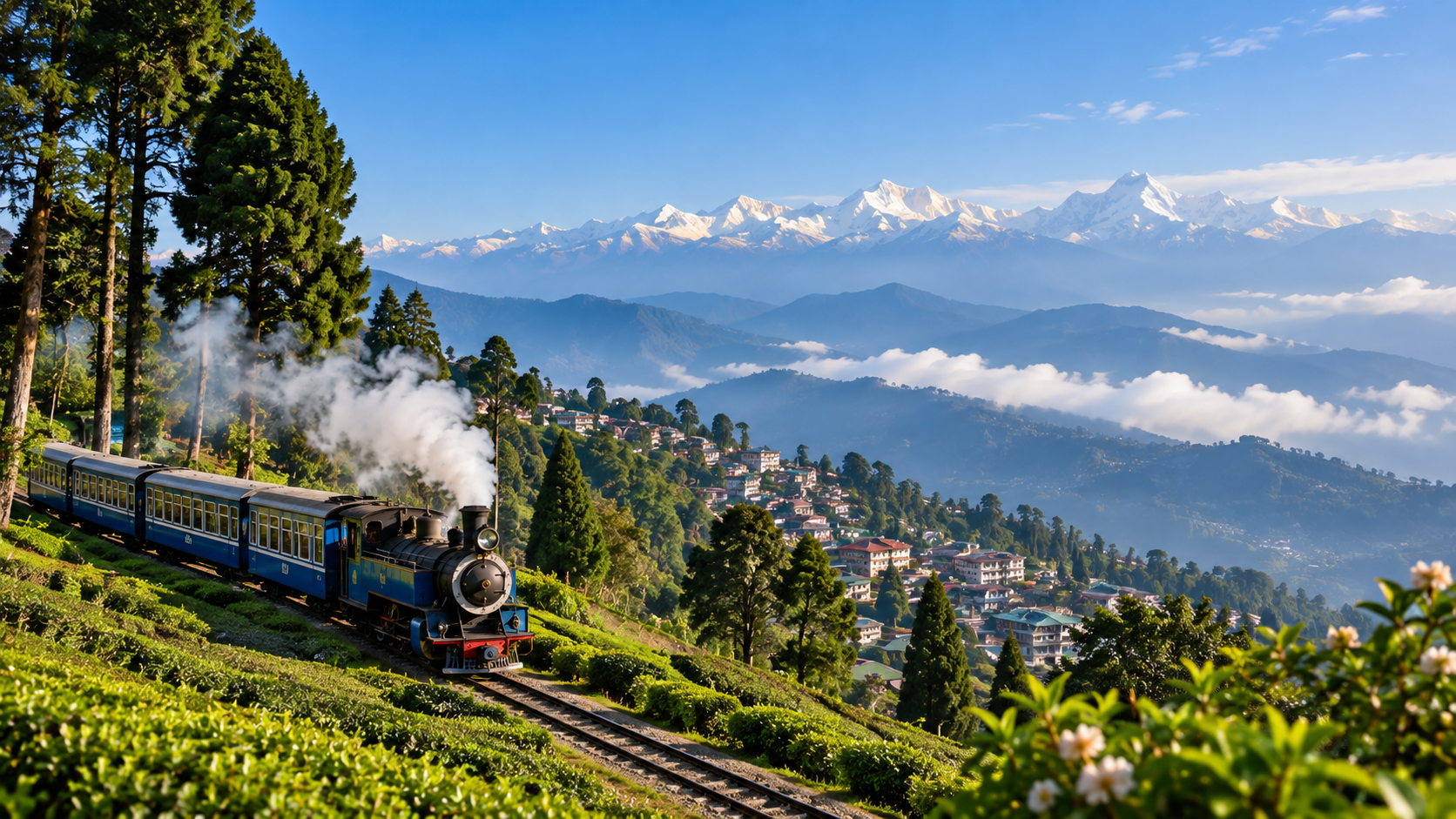
Tabakoshi is a serene, offbeat hamlet located near the Gopaldhara tea estate, just a few kilometres away from Mirik. It is a peaceful getaway for nature lovers with nothing but lush greenery in its vicinity.
Altitude
3,000 feet
Region
Darjeeling
Min temp
5 °C
Max temp
25 °C
Located near the banks of the Rambhang River, Tabakoshi offers a mesmerising parallel view of the seven tea gardens to its spectators. Tabakoshi offers a serene escape from city life amidst the lush emerald tea gardens of Darjeeling. It is an ideal getaway for peace seekers and nature lovers, nestled by misty hills, winding Rangbhang River and emerald tea estates.
This scenic hamlet is located at an altitude of 3,800 feet, at a distance of 8 km from Mirik and 50 km from Darjeeling. The lush tea garden estate, serene Rangbhang River and breathtaking misty landscape view enhance its captivating natural beauty.
This paradise for nature photographers and bird watchers is an abode to many exotic Himalayan birds. The best time to travel to Tabakoshi is during the spring season, which is during the months May to June, when the weather remains pleasant with lush green landscape and blooming flowers everywhere.
You can expect mountain charm, gurgling rivers and orange orchards from Tabakoshi. I went on a trip to Tabakoshi, which felt untouched and serene. I felt like taking a step inside a postcard landscape while walking amidst the lush tea gardens and peaceful river sounds.
Tabakoshi is a breathtaking offbeat Himalayan hamlet settled near the Gopaldhara tea estate in Darjeeling, West Bengal. Encompassed by misty hills, emerald green tea gardens and the serene Rangbhang river, Tabakoshi is an idealised getaway for nature lovers. This serene village is located at an altitude of 3,800 feet above sea level in the Eastern-Himalayan region near the Indo-Nepal border. Some of the major towns located near Tabakoshi are Mirik (8km), Darjeeling (50km), and Siliguri (55km).
This place is in part with some of the popular high altitude Darjeeling tea gardens like Thurbo tea estate and Gopaldhara. The Rangbhang River flowing near Tabakoshi creates a very soothing atmosphere. Tabakoshi is encompassed by cardamom plantations, pine forests and misty hills. Its mild, temperate climate all year round makes it a perfect destination for exploration.
Tabakoshi has very pleasant weather all year round. The summers here remain cool mostly, and he monsoons here are very refreshing with chilly winters. Here is a season-wise and temperature-based breakdown of Tabakoshi-
| Season | Temperature | Weather | Best activity |
|---|---|---|---|
| Spring (March to May) | 15°C – 22°C | blooming and pleasant | birdwatching, tea estate walks |
| Monsoon (Jun–Sep) | 12°C – 20°C | heavy rainfall, cool | lush greenery explorations, nature photography |
| Autumn (Oct–Nov) | 10°C – 18°C | crisp air and clear skies. | mountain views, festival visits |
| Winter (December to February) | 5°C – 15°C | misty mornings, cold | cosy stays, riverside strolls |
Tabakoshi remains breathtakingly stunning all year round. Depending on your taste and the things you would like to witness, such as blooming flowers, tea plucking, lush greenery or cool weather, you can choose the best time to visit.
The best time for the tea garden and flower experience is during the spring season, which is from March to May. The tea gardens appear the greenest during this time, thus it is perfect for photography. The weather remains very pleasant with wildflowers and Rhododendrons blooming everywhere. This is the best time for some light trekking and tea estate tours.
If you are a rain lover, then you can choose to visit during the Monsoon season during the months from June to September. The Rangbang River flows with its full force, and the landscape appears to be misty, making the valleys appear greener. As fewer tourists are visiting during this time, you can enjoy some peaceful time.
The Autumn season, from October to November, will offer you a clear view of the surroundings. The skies remain crystal clear post-monsoon, giving you a panoramic view of the mountains. The tea estate remains in full action during this tea plucking season. You can also enjoy the cultural vibrancy as the festivals such as Tihar and Dashain are celebrated during this time.
If you are looking forward to a peaceful retreat, then the best time of your visit will be during the Winter season, which is from December to February. Fewer tourists will help you get some peace and relaxation. It is the best time to enjoy some hot Darjeeling tea while sitting around the bonfire.
My trip to Tabakoshi in winter felt like a hidden Himalayan retreat where I witnessed sparkling stars in the clear night skies, and the air was crisp and pleasant.
| Months | Weather | Footfall | Category | Best for |
|---|---|---|---|---|
| Spring (March to May) | Pleasant | Moderate | Peak Season | birdwatching, tea garden walks |
| Monsoon (June-August) | Rainy and cold | Low | Off-Season | photography, lush greenery |
| Autumn (September-November) | Crispy | High | Peak-season | festivals, clear mountain views |
| Winter (December-February) | Cold | Low to Moderate | Shoulder Season | riverside walks, cosy stays |
You can enjoy trout fishing, tea garden walks and riverside walks in Tabakoshi. I enjoyed sipping tea and having heartfelt chats with the locals while taking walks around the tea estates in Tabakoshi.
Tabakoshi is a hidden gem nestled by rolling hills, winding rivers and emerald green tea gardens. It is a perfect paradise for peace seekers and nature enthusiasts. The top attractions and activities that you can do in Tabakoshi are-
Rangbhang River
It is an immaculate mountain river flowing through the valleys of Tabakoshi, intensifying its tranquil and quaint charm. Curled up amidst the misty hills and lush tea gardens, this meandering river makes Tabakshi a perfect getaway for nature enthusiasts. It originates mainly from the hills of Mirik, winding through tea gardens, attractive hamlets and dense forests and finally gets merged with the larger rivers. The crystal clear water of this river makes it an ideal place to spend some serene time and enjoy a leisurely picnic. You can do a list of activities on the banks of the Rangbhang River, such as Riverside picnic, photography, short trek, nature walk, stargazing and bonfire night.
Gopaldhara tea estate
This popular tea estate is one of the highest tea estates in India, producing the finest Darjeeling teas, which focus mainly on sustainable practices and clonal teas. Snuggling in the obscured hills of Tabakoshi and Mirik, Gopaldhara offers an affluent tea heritage, a peaceful getaway and a spectacular vista to its spectators. It is located at an altitude of 3,500 feet to 7000 feetabovem the sea level and is at a distance of just 2 km from Tabakoshi. Some of the most popular Darjeeling teas, which are produced here, include Oolong teas, Silver Needles and Muscatel. You can enjoy some fresh brews and learn more about the tea-making process on your visit to this tea estate.
Mirik
Mirik is a scenic hill station which has a cool climate all year round. You can take a walk around the arched bridge and enjoy boating at the Sumendu Lake. Exploring a famous Buddhist centre, Bokar Monastery, will keep you engaged, and you can enjoy some serene time. You can also taste some juicy fresh oranges at your visit in winter at your visit to the Orange Orchards.
Tingling Viewpoint
You can get a panoramic view of the surrounding hills and the tea gardens of Mirik from this viewpoint. The best time to visit this place is during sunset or sunrise, when you can experience the astounding view of the golden hues spreading in the surrounding areas. It is a perfect place for a peaceful retreat and photography.
Bokar Monastery
It is an alluring Buddhist monastery present in Mirik. You can spend some peaceful time in front of the mighty golden Buddhist statue while revolving the huge prayer wheels here. This is an ideal place for learning more about Buddhism, some serene photography and meditation.
Simana Viewpoint
This place offers a breathtaking hilltop view of the Indo-Nepal border. You can witness the astounding view of Mt. Everest from this viewpoint on clear days alongside the views of Kanchenjunga, Mirik Valleys and the Nepalese hills.
Pasupati market
It is a famous cross-border market well known for affordable clothes, perfumes and handicrafts in Nepal. You will need some official IDs, like a voter ID or an Aadhaar, to enter this place.
Darjeeling
Famously known as the “ Queen of the hills”, this place is mainly known for its tea culture and colonial charm. You can ride the toy train and witness a golden sunrise from Tiger Hill at Darjeeling. Shopping at the local markets here will give you immense pleasure, and you can enjoy a thrilling time at the Darjeeling ropeway.
Road is the most convenient way of reaching Tabakoshi from Siliguri or Darjeeling by a private car, bus or jeep to Mirik and then with a taxi to Tabakoshi. Below is the best breakdown for you to reach this hidden offbeat.
My drive to Tabakoshi on a winding road amid emerald tea gardens and misty hills felt very magical and peaceful.
By Air
The nearest airport to Tabakoshi is the Bagdogra airport, which is at a distance of 50 km. You can hire a private or shared cab from Bagdogra to Mirik (42km) and then travel to Tabakoshi (8km).
By Train
NJP station is the nearest station to Tabakoshi, located at a distance of 55 km. From NJP, you can reach Mirik in a cab and then reach Tabakoshi.
From Siliguri
The distance of Tabakoshi from Siliguri is 50 km. You can take a bus or hire a cab from Siliguri and reach Mirik (42km). From Mirik, you can reach Tabakoshi (8km) in a local cab.
From Darjeeling
The distance of Tabakoshi from Siliguri is 50 km. You can take a cab and travel up to Mirik (42km). You can reach Tabakoshi (8km) from Mirik in a local cab.
You will get to enjoy a mix of Gorkha, Darjeeling and Nepali flavours in Tabakoshi. The food items here are prepared mostly using organic and locally produced ingredients. The homestays here offer delectable home-cooked meals, making your stay relaxing and delicious. Some must-try recommended dishes for you to try in Tabakoshi are- Dal Bhat- This is a vibrant fusion of lentil, steamed rice, pickles and vegetables. This is also served sometimes alongside delicious mutton or local chicken curry. Gundruk- It is a tangy soup made using fermented mustard or radish leaves. Sinki- This fermented, tangy soup is prepared using fermented radish taproots. Sel Roti- It is a crispy rice bread in a ring shape, which is deeply fried until it turns golden brown. Alu Dum- It is a dish of spicy boiled potatoes, which is prepared using authentic Nepali spices and later garnished well with coriander leaves. Wai-wai Sadeko- It is a crunchy snack prepared using onions, tomatoes, wai wai noodles and green chilli. Momo- It is a ball of steamed dumplings prepared with a filling of vegetables and meat. Thukpa- This spicy, hot, soupy bowl is prepared using noodles, vegetables and meat. Chhurpi- It is a type of chewy cheese which is hard and generally prepared from the milk of a cow or yak. Darjeeling tea- Tabakoshi is a paradise for tea lovers. You can try out different varieties of green teas here, such as white tea, second flush and first flush. Tabakoshi offers a rich cultural experience alongside breathtaking views of the tea estates and serene rivers to its visitors. The culture here is rooted in the Darjeeling tea heritage, Nepali and Gorkha. This serene hamlet is the abode of many warm-hearted, welcoming locals with vibrant cultures. Their age-old practice of cultures deeply reflects upon the soul of the Himalayas.
Local Nepali and Gorkha tradition
The people residing in Tabakoshi mostly belong to the Nepali and Gorkha community, who are known for their strong connection with nature, lively music and hospitable nature. You can easily learn about their customs, farming traditions and lifestyle by interacting with the friendly locals and experiencing their tedious tea plantation and plucking work, which they have been continuously doing for generations.
Experience the Gorkha and Nepali cuisines
You can try out the authentic traditional home-cooked meals prepared by the owner of your homestay and learn more about the food culture of Tabakoshi. Some of the delectable dishes that you must try here are- Gundruk and Sinki- This staple Nepali cuisine is prepared using fermented leafy greens. Dal Bhat- This savoury meal is a combination of rice, vegetables and lentils. Sel Roti- It is a crispy, ring-shaped, sweet rice bread. Thukpa- This warm, soupy bowl is made using fresh meat and lots of vegetables. Momo- It is a steamed dumpling made with a filling of meat and vegetables.
Lively folk dance and music performances
You can spend the evening enjoying the cultural programs arranged by the homestay owner and performed by the locals in the form of lively folk dance and songs. You can request the locals to perform the following for you- Dohori songs- This is a type of classical debate which is performed by two talented singers. Maruni dance- This traditional dance is mostly performed by the locals during their festivals.
Experiencing the local festivals and celebrations
Different types of Gorkha and Himalayan festivals are celebrated in Tabakoshi. You can also become a part of these festivals if you plan to visit during the time of their festivals. Their popular festivals are- Maghe Sankranti- This festival is celebrated in January with rituals, fairs and traditional feasts. Holi- This colourful festival is celebrated very joyously here. Buddha Jayanti- It is celebrated in the nearby monasteries by the Buddhist monks chanting peaceful prayers. Dashain and Tihar- This is one of the biggest festivals of the Nepalis, celebrated with colourful lights, lively music and grand feasts.
The accommodation options in Tabakoshi are mostly homestays with a serene ambience amidst the Rangbhang river and the emerald green tea gardens. These offbeat stays offer warm hospitality along with a cosy environment and delectable home-cooked meals. Some famous options for your comfortable stay in Tabakoshi include- Tabakoshi River Side Homestay, Tabakoshi Tea Retreat, River View Homestay, and Tea Garden Eco Stay.
I stayed at a beautiful riverside homestay in Tabashi, which felt very home-like, and I was offered fresh meals. The hosts were kind-hearted, and I enjoyed sipping tea while sitting on the balcony and listening to the sound of the river, which was a very soothing experience.
| Category | Best stay | Price range | Features | Best for |
|---|---|---|---|---|
| Budget Homestay | River View Homestay | ₹1,000 – ₹1,500 | delicious meals, riverside location | Solo travellers |
| Mid-Range | Tabakoshi Tea Retreat | ₹2,000 – ₹3,000 | guided tours to tea estate, tea garden views | small families |
| Premium | Green Valley Eco Resort | ₹3,500 – ₹5,000 | organic food, private balcony, luxury cottages | nature lovers |
| Heritage Stay | Old Manor Tea Bungalow | ₹4,000 – ₹6,000 | tea tasting, fireplace, colonial architecture | heritage enthusiasts |
If you want to experience a serene getaway amidst the lush tea gardens or just spend some tranquil time on your short holiday, then you can visit Tabakoshi. Located just at a distance of 8 km from Mirk, this offbeat gem will help you get that much-needed relaxation and peace away from any crowd, where you can enjoy some nature photography in a serene ambience.
Where is Tabakoshi located?
Tabakoshi is situated in the Rangbhang Valley, near Mirik in the Darjeeling district of West Bengal, India.
What is the altitude of Tabakoshi?
Tabakoshi is situated at an elevation of around 1,100 meters
Why is Tabakoshi a popular destination?
Tabakoshi is famously known for its riverside serenity, lush tea estates like Thurbo and Gopaldhara and other natural vistas such as hidden waterfalls and spots for birdwatching.
What are the famous attractions and activities of Tabakoshi?
Some of the famous activities that you can Tabakoshi include tea garden tours, nature walks, visiting waterfalls, camping and picnics by the Rangbhang River.
When is the best time for a trip to Tabakoshi?
March to May and October to December are the best times for a trip to Tabakoshi to enjoy clear mountain views and pleasant weather.
How can I reach Tabakoshi?
You can reach Tabakoshi from NJP/Siliguri or Darjeeling and reach Mirik Bazar, and then take a shared vehicle from Mirik Bazar to reach Tabakoshi.
What kind of accomodation options are available in Tabakoshi?
There are simple accommodation options available in Tabakoshi, which are in the form of locally run homestays offering organic meals and cosy rooms.
What is the approximate cost of accomodation in Tabakoshi?
The cost of stays generally ranges between ₹1,500 and ₹2,000 in Tabakoshi.
What should I pack for my Tabakoshi trip?
You must pack warm clothes, basic medicines, a camera, and sufficient cash for a trip to Tabakoshi. It is recommended to be respectful of the local customs of the region before visiting, and you can let your host of the homestay know about your dietary preferences before visiting as well.
Can I find mobile network or internet connection in Tabakoshi?
Tabakoshi is located in a remote location, and thus, the mobile network is limited or patchy in the region.
What are the nearby attrctions that can be explored near Tabakoshi?
You can enjoy several attractions that can be explored near Tabakoshi, such as Thurbo Tea Estate, Gopaldhara Tea Estate, Bokar Monastery, Mirik Lake, Simana Viewpoint, Jorepokhri, Lepchajagat and Nepal Kanyam.
What is the meaning of the word "Tabakoshi?"
The word "Tabakoshi" has been derived from the Nepali words referring to the copper colour of the River Rangbhang, or the Lepcha word meaning "hidden treasure".