
EasoTrip
Preparing your journey...
Preparing your journey...
Preparing your journey...
Near Bhutia Market, Haren Mukherjee Road, Ward No. 12, Hakim Para, Siliguri – 734001
+91 70017 24300
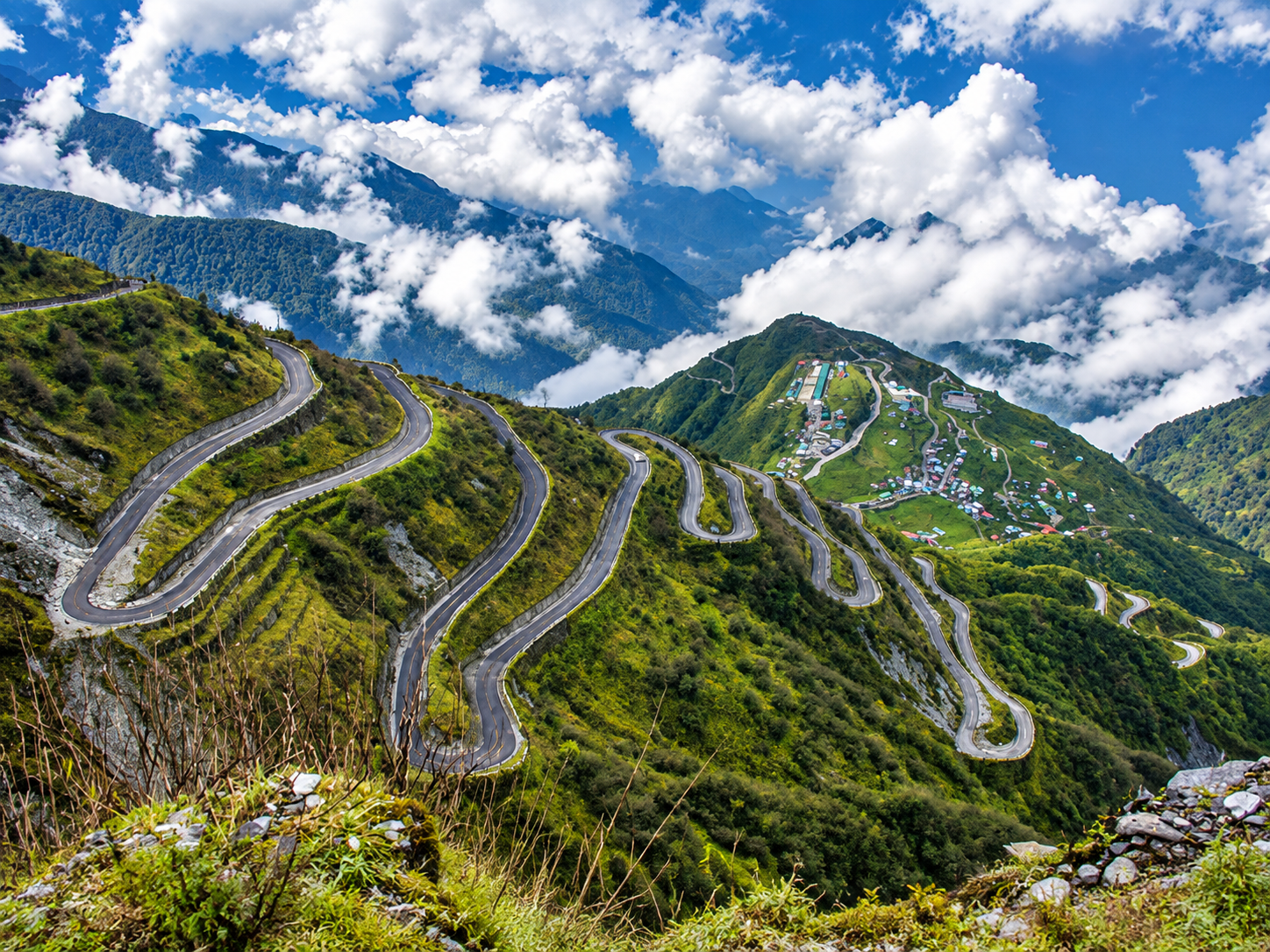
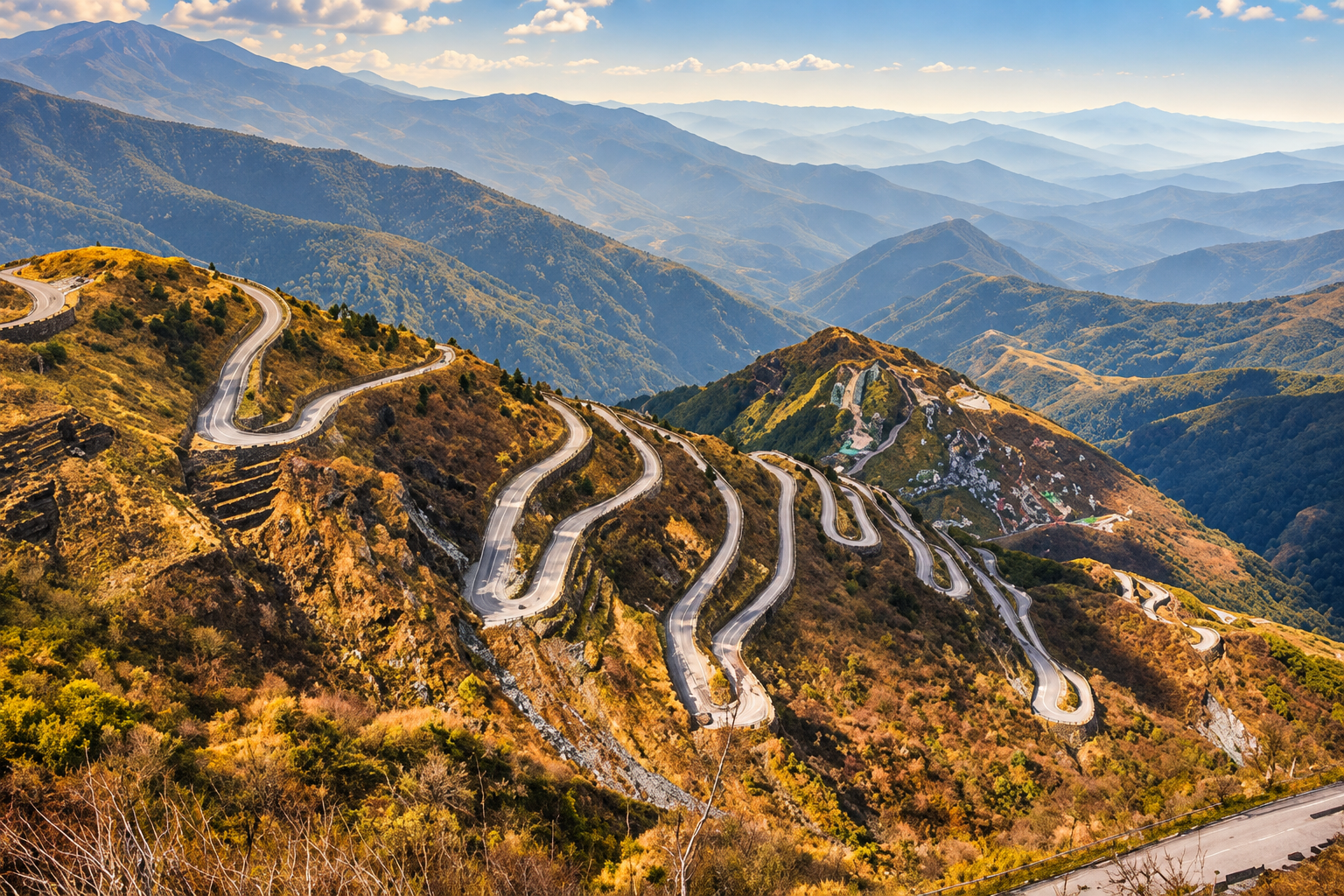
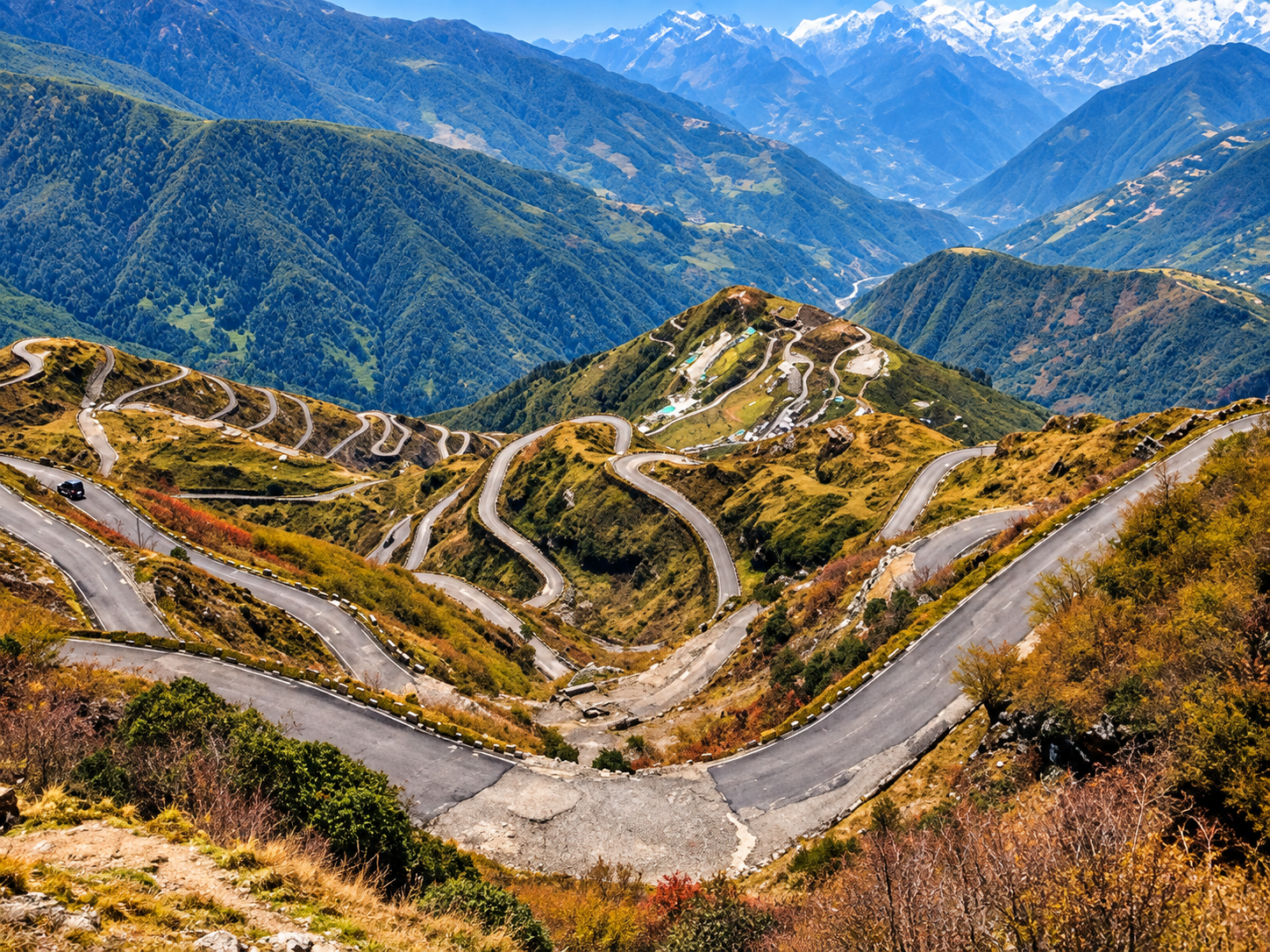
Discover the charms of the Himalayan trail in the Silk Route of East Sikkim, encompassed by ancient history, snow-laden valleys and meandering roads.
Altitude
7,000 feet- 13,000 feet
Region
Sikkim
Min temp
-10°C to -15°C
Max temp
15°C to 20°C
Travelling along the Silk Route is a visual bliss, meandering from serpentine roads, stunning Himalayan vistas, age-old trade history and a drastic shift in the altitude. The sky here changes at every mile, and you will be greeted warmly by glacial lakes, scenic villages and high passes. You can expect absolute peace and simple mountain life on the Silk Route, starting from the popular serpentine bend of Zuluk and the serenity of the Nathang Valley.
You can expect ever-changing weather, pristine landscapes and winding mountain roads in the Silk Route. Each bend of the Silk Route came to me as an untouched Himalayan dream during my trip with my friends, where we were surrounded by serene silence and postcard-perfect landscapes.
The breathtaking Silk Route coils around the lap of the Eastern Himalayas in East Sikkim, soaring from the luxuriant valleys of Aritar and Rongli perched at approximately 5,000 feet to the high-altitude beauties of Kupup and Nathang Valley located at 13,000 feet. This striking elevation difference creates a stunning difference in the panorama, making an optically splendid and ever-changing journey.
The Silk Route is a graphic needlework of the Himalayas offering glacial lakes, windy plateaus, snow-laden slopes and lush Rhododendron and Pine forests. You will be mesmerised by the breathtaking views of snow-covered Mt. Kanchenjunga on sunny days and blooming hillsides with rhododendrons and wildflowers during the spring season.
The vast difference in altitude of the East Sikkim ranges from 5000 to 13,000, creating a seasonally vivid and diverse climate of the region. Here is a breakdown of Silk Route’s weather and temperature-
| Season | Temperature | Weather | Best activity |
|---|---|---|---|
| Spring (March to May) | 8°C – 18°C | fresh wind, pleasant | rhododendeon treks, scenic drives |
| Monsoon (Jun–Aug) | 12°C – 20°C | occasional landslide, misty and rainy | quiet retreats |
| Autumn (Sep–Nov) | 5°C – 15°C | crisp air and clear skies | bike trips, photography |
| Winter (December to February) | -5°C – 10°C | very cold, snowfall | adventure travel, snow play |
The best recommended time to explore the mystic charm of the Silk Route is between March to May, and September- November. The weather remains ideal for enjoying smooth travel and clear views of the majestic Kanchenjunga. The crisp, clear skies create an ideal ambience for high-altitude stays, cultural explorations and road trips. You can also try out adventurous treks and nature photography during this time.
I visited the Silk Route in spring, where the snow-kissed landscape and blooming rhododendrons made my journey a magical Himalayan escape.
| Months | Weather | Footfall | Category | Best for |
|---|---|---|---|---|
| Spring (March to May) | blooming Rhododendrons, pleasant weather | Moderate | Peak Season | photography, sightseeing and nature walks |
| Monsoon (June-August) | occassional landslides, rainy | Low | Off-Season | solitude getaway |
| Autumn (September-November) | crisp air and clear skies | High | Peak-season | road trips, Kanchenjunga views |
| Winter (December-February) | very cold, snowy | Low to Moderate | Shoulder Season | peaceful retreat, snowfall photography |
You can explore the frozen lakes in Kupup, watch sunrise at Thambi View Point or enjoy the views of zigzag trails in Zuluk in the Silk Route. I felt a moment of pure magic while witnessing the clouds roll beneath my feet in Lungthung. Some attractions to explore near the Silk Route and activities to try out here include-
Thambi Viewpoint
This viewpoint being perched at about 11,200 feet, offers the best sunrise view rising above the breathtaking snow-clad Mt. Kanchenjunga. You can visit this spot early in the morning to capture some stunning photos.
Nathang Valley
This stunning high-altitude valley is barren but captivating, mesmerising its spectators with eye-catching snow-covered views, especially in winter. It is a must-visit place for peace seekers under the open sky.
Kupup Lake
It is an elephant-shaped glacial lake, which is considered to be sacred by the locals. Its proximity to the Indo-China border and the world’s highest golf course adds to its charm.
Tukla Valley & War Memorial
This serene valley has high historical relevance, honouring soldiers amidst a snow-covered landscape. This is a less crowded place often preferred by solitude seekers.
Mangkhim Temple
It is a pilgrimage site of the locals belonging to the Rai community, situated on a summit near Mankhim, offering charming views of the surrounding hills and the Aritar Lake.
Dzuluk Loop Road
This popular serpentine road is also known as Zig-Zag road, which is a visual wonder offering 3 aairpin bends. You will get to view this road perfectly from the Lungthung Viewpoint or Thambi.
Rolep
It is a scenic hamlet in proximity to Rongli with scenic views, comfortable homestays amidst cardamom forests, river valleys and a hanging footbridge. It is an ideal place to immerse oneself in rustic village life.
Rongli Bazaar
It is a popular industrial hub of East Sikkim and is also the centre for getting a permit to enter the Silk Route. You can shop for some last-minute essentials from this spot.
You can reach the Silk Route by taking a permit via Rongli or Kalimpong from Siliguri. I enjoyed the zig-zag hairpin bend passing through pine forests and misty trails, which felt magical. Although it is a remote area, it can be accessed easily through different transit points.
By Air
Bagdogra Airport (IXB) is the nearest to the Silk Route, and its distance from Rongli, which is the entry point of the Silk Route, is 125 km. You can hire a taxi from the airport to reach Aritar or Rongli and begin your mystic journey of the Silk Route.
By Train
The NJP railway station is the nearest railway station to the Silk Route, which is well-connected to all the major cities. You can start your journey to the Silk Route by hiring a taxi from the station premises via Rongli or Aritar.
By Road
The New Jalpaiguri is the nearest to the Silk Route, and its distance from Rongli (entry point) is about 120-125 km. You can take a cab from the NJP station to reach some popular entry points of the Silk Route, such as Reshikhola, Aritar or Rongli, and the travel time by road takes about 5-6 hours.
From Siliguri
The distance of Siliguri is about 120-130 km, and the travel route includes- Siliguri- Kalimpong- Algarah- Rhenock- Rongli- Zuluk. The travel time by road will take you about 5-6 hours, and you will need to carry a permit to explore restricted areas beyond Rongli.
From Darjeeling
The distance from Darjeeling is 110- 115 km and will take you about 5.5- 6.5 hours by road. The travel route includes- Darjeeling- Kalimpong- Rhenock- Rongli- Zuluk. Try to travel early in the morning to enjoy better weather and road conditions.
The simple and delectable cuisine of the Silk Route reflects the flavours of Sikkimese hills and is influenced by the traditions of Lepcha, Tibetan and Nepali communities. The meals here are warm, hearty and nourishing, which are perfect to enjoy in the cold weather of the high-altitude terrains. Some of the recommended dishes to try out here include- Dal Bhat Tarkari, Thukpa, Momo, Churpi with Ningro, Aloo Dum & Sel Roti and Tongba. You can try out the following activities in Silk Route
Exploring the Ancient Monasteries
Visiting the mystic monasteries such as Lava Monastery and Aritar Gompa, and attending their prayer sessions amidst prayer wheels and flags, will allow you to witness age-old Buddhist rituals.
Taking Part in Prayer Ceremonies
You will get to witness the Himalayan spirituality by participating in the festive rituals of the local community, marked by incense offerings and early morning prayers of the monks.
Listen to Folklores and Legends
The elderly people living in the region are eager to share their stories of soldiers, monks and traders who travelled across this beautiful path once. These historical legends and folklore enliven the mystic charm of the Silk Route.
Exploring the Traditional Crafts and Attire
You will get the opportunity to witness the locals wearing colourful traditional Bhutia and Lepcha dresses if you pass through this route at the time of festivals in the nearby villages. You can also explore the simple crafts of the locals, such as handmade souvenirs, bamboo work and wool weaving.
You can mostly stay at the locally run homestays along the Silk Road. The stays here offer incredible views of the Himalayas, warm hospitality, and basic comfort. Some of the popular and comfortable stay options in Silk Route include- Rongli Star Homestay, Lake View Homestay, Aritar, Zuluk Snow Lion Homestay, Eagle’s Nest Homestay, Dafter Bungalow Homestay, Sonam Homestay and Icy Heights Homestay.
I stayed at Eagle's Nest homestay near Pasamchen on my Silk Route trip. My stay was truly unforgettable, where I got the chance to wake up to the sea of clouds, surreal sunrise views and was offered basic amenities.
| Category | Best stay | Price range | Features | Best for |
|---|---|---|---|---|
| Budget Homestays | Rufina Hotel, Zuluk Snow Lion Homestay | ₹1200–₹1800/night | mountain views, basic rooms, warm hosts, local food | budget travellers |
| Mid-Range Homestays | Gnathang Residency, Lungthung Sunrise Homestay | ₹2000–₹3000/night | heaters, hot water, attached bathrooms | families |
| Scenic Stays | Zuluk Himalayan View, Eagle's Nest | ₹2500–₹3500/night | local meals, sunrise and panoramic views | nature lovers, photographers |
| Offbeat Stays | Padamchen Heritage Stay, Rolep Homestays | ₹1500–₹2500/night | traditional decor, secluded locations | offbeat explorers, peace seekers |
| Group-Friendly | Nathang Valley Homestays (cluster) | ₹1000–₹1500/head | large dorm-style rooms, bonfire, group meals | bikers, student groups |
The Silk Route is ideal for exploration by offbeat travellers, nature photographers and nature enthusiasts who seek peace and serenity amidst the raw beauty of the Himalayas, created by low connectivity. You can spend some serene time in the serpentine bends of hilly tracks and strengthen your relationship with nature.
What is the location of Silk Route in Sikkim?
The Silk Route is located in East Sikkim, which covers places such as Gnathang Valley, Nathang, Zuluk and beyond.
Do I need a permit to visit the Silk Route?
Yes, you will need an ILP as an Indian tourist to explore the Silk Route.
Can a foreigner explore the Silk Route?
No, a foreigner cannot go beyond Rongli for security reasons.
When is the best time for a trip to Silk Route?
Spring and Autumn are the best seasons for clear views and pleasant skies.
How many days are ideal for a trip to Silk Route?
4-6 days are ideal to explore the scenic spots of the Silk Route, such as Kupup, Lungthung, Zuluk and beyond.
Is Silk Route safe for the elderly people and the children?
Yes, it is safe; however, it is advised to stay cautious of AMS and altitude above 10,000 feet.
Is safe driving allowed in the Silk Route?
It is not recommended to self-drive in the Silk Route, unless you have experience in mountain driving. You can hire a local driver with experience for safety.
Can I find any ATM in Silk Route?
There are very limited ATMs in the Silk Route; it is recommended to withdraw sufficient cash from Rongli or Gangtok.
How is the network connectivity in the Silk Route?
The BSNL network works best here, with the overall network being patchy or nil in higher altitudes such as the Nathang Valley.
Can I find any good accomodation in the Silk Route?
Accommodations of the Silk Route are mostly in the form of warm and cosy homestays with local food and basic amenities.